
Cet article a pour seul but de fournir des informations pédagogiques et ne constitue pas un conseil en investissement.
Portefeuille diversification La diversification est l'un des concepts les plus discutés en matière d'investissement, et à juste titre. Elle est au cœur de la manière dont les investisseurs avisés gèrent l'incertitude. Pourtant, malgré sa fréquence d'utilisation, elle est souvent mal comprise. Certains la considèrent comme une garantie contre les pertes ; d'autres supposent que posséder de nombreux investissements suffit à les diversifier. Ce guide explique ce que signifie réellement la diversification de portefeuille, son importance pour la gestion des risques, comment l'appliquer concrètement et quelles en sont les limites.
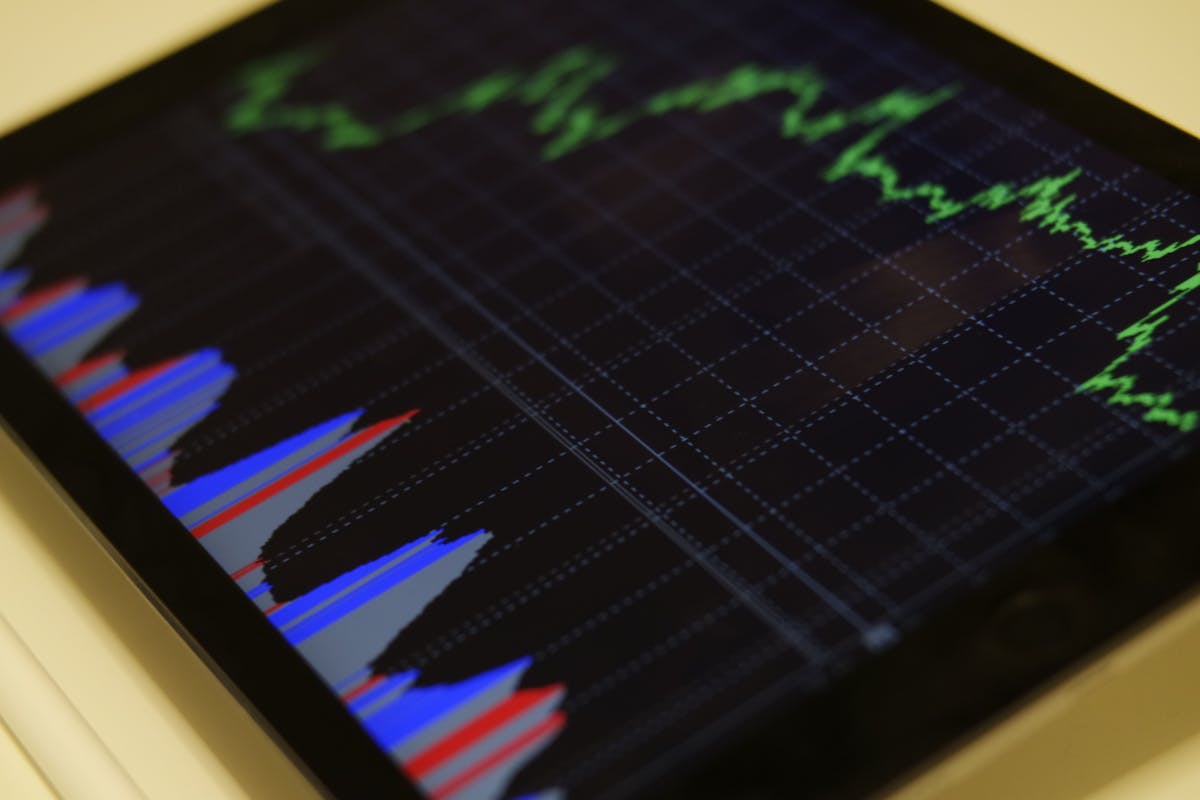
Que signifie réellement la diversification de portefeuille ?
La diversification de portefeuille consiste essentiellement à répartir ses investissements sur différents actifs afin que la performance de chaque actif ait un impact limité sur l'ensemble du portefeuille. Le principe est simple : les différents actifs réagissent généralement différemment aux mêmes événements économiques. Lorsqu'une partie du portefeuille est en difficulté, une autre peut se maintenir, voire progresser, ce qui atténue les fluctuations globales.
La diversification se résume parfois à l'adage « il ne faut pas mettre tous ses œufs dans le même panier ». Si l'expression est simple, le principe sous-jacent repose sur des décennies de recherche financière. L'objectif n'est pas de maximiser les rendements à tout prix, mais d'atteindre plus facilement ses objectifs financiers tout en réduisant le risque de pertes catastrophiques liées à une concentration excessive de ses investissements.
Il est important de noter que la diversification ne se résume pas à posséder de nombreux investissements. Détenir vingt actions technologiques peut donner l'impression d'une diversification, mais si elles évoluent toutes de concert, le portefeuille se comporte comme un simple pari. Une véritable diversification repose sur les interactions entre les investissements, et non pas uniquement sur leur nombre.
Pourquoi la diversification est importante pour la gestion des risques
Tout investissement comporte des risques, mais tous les risques ne sont pas identiques. De manière générale, les investisseurs sont confrontés à deux catégories de risques. Le premier est le risque systémique, qui affecte l'ensemble du marché, comme une récession ou une variation importante des taux d'intérêt. Le second est le risque non systémique, qui est spécifique à une entreprise, un secteur ou une région. La diversification est avant tout un outil permettant de réduire le risque non systémique.
Prenons l'exemple d'un investisseur dont l'épargne est concentrée dans une seule entreprise. Si cette entreprise est confrontée à un scandale, à un échec commercial ou à une faillite, les conséquences peuvent être graves. Un investisseur diversifié, qui détient cette même entreprise au sein d'un portefeuille plus large, en ressentirait également l'impact, mais celui-ci serait atténué par ses autres placements. C'est là tout l'intérêt pratique de la diversification : elle réduit le risque qu'un événement isolé puisse compromettre vos projets à long terme.
Il est important d'être honnête quant aux limites de la diversification. Elle ne peut éliminer le risque systémique. Lorsque des marchés entiers s'effondrent, comme cela arrive parfois, la plupart des portefeuilles diversifiés subissent également des baisses. L'objectif est de réduire les risques concentrés évitables, et non de promettre une immunité totale face aux fluctuations du marché.
Types de diversification
La diversification peut être abordée selon plusieurs dimensions, et un portefeuille bien construit les combine souvent.
Diversification des classes d'actifs
Cela implique de diversifier ses investissements dans différentes catégories telles que les actions, les obligations, les liquidités, l'immobilier et parfois les matières premières. Chaque classe d'actifs tend à réagir différemment selon les cycles économiques. Les obligations, par exemple, peuvent offrir une certaine stabilité lorsque les actions sont volatiles, bien que cette relation ne soit pas systématique et puisse évoluer au fil du temps.
Diversification sectorielle et industrielle
En actions, les investisseurs peuvent diversifier leurs placements dans des secteurs tels que la santé, la technologie, l'énergie, les biens de consommation et la finance. Les différents secteurs réagissent différemment aux conditions économiques ; diversifier son exposition permet donc d'atténuer l'impact d'un ralentissement dans un secteur donné.
Diversification géographique
Investir dans différents pays et régions permet de réduire la dépendance à la conjoncture économique d'un seul pays. Les marchés nationaux et internationaux n'évoluent pas toujours de concert, ce qui peut instaurer un certain équilibre, même si les marchés mondiaux sont devenus plus interconnectés au fil des ans.
Diversification du temps
Répartir ses investissements dans le temps, plutôt que d'investir tout son capital en une seule fois, permet de réduire le risque d'investir une somme importante juste avant un repli économique. Investir régulièrement et de façon constante est une méthode courante pour appliquer ce principe, même si cela ne garantit pas à lui seul de meilleurs résultats.
Comment constituer un portefeuille diversifié étape par étape
Constituer un portefeuille diversifié ne nécessite pas d'outils complexes, mais une démarche claire. Les étapes suivantes offrent un cadre général plutôt que des conseils personnalisés.
Commencez par clarifier vos objectifs et votre horizon temporel. L'argent dont vous pourriez avoir besoin dans les deux prochaines années est généralement traité très différemment de celui destiné à votre retraite, prévue dans plusieurs décennies. Vos objectifs déterminent le niveau de risque que vous êtes prêt à prendre.
Ensuite, évaluez honnêtement votre tolérance au risque. Il s'agit d'une question à la fois financière et émotionnelle. Un portefeuille qui paraît raisonnable sur le papier ne convient que si vous pouvez le conserver pendant les périodes de volatilité sans prendre de décisions hâtives.
À partir de là, choisissez une large répartition des actifs Cela doit refléter vos objectifs et votre tolérance au risque. Au sein de chaque classe d'actifs, diversifiez vos investissements afin d'éviter une forte concentration sur un seul actif, secteur ou région. De nombreux investisseurs utilisent des fonds largement diversifiés pour obtenir une exposition étendue de manière efficace. Enfin, formalisez votre plan par écrit afin de disposer d'un point de référence en période de turbulences sur les marchés.

Le rôle de la corrélation et de l'allocation d'actifs
L'efficacité de la diversification dépend fortement de corrélation, Ce ratio mesure la corrélation entre deux investissements. Les actifs parfaitement corrélés évoluent de concert, offrant peu d'avantages en matière de diversification. Les actifs faiblement ou négativement corrélés tendent à évoluer indépendamment, et c'est là que la diversification prend tout son sens.
La répartition d'actifs, c'est-à-dire la décision de diviser un portefeuille entre différentes classes d'actifs, est largement considérée comme l'un des facteurs les plus déterminants pour la performance des investissements à long terme. Elle a généralement plus d'importance que la sélection des titres individuels. Une répartition judicieuse permet d'équilibrer le potentiel de croissance et le besoin de stabilité, en fonction de la situation de l'investisseur.
Les corrélations ne sont pas immuables. En période de fortes tensions sur les marchés, des actifs qui évoluent normalement de manière indépendante peuvent se mettre à évoluer de concert, réduisant temporairement l'effet protecteur de la diversification. Comprendre cette limite permet de se fixer des attentes réalistes.
Rééquilibrage : Garder le cap dans votre portefeuille
Au fil du temps, les fluctuations du marché peuvent entraîner un écart entre un portefeuille et sa répartition cible. Une forte hausse des actions, par exemple, peut surpondérer un portefeuille en actions, augmentant ainsi son risque global. Rééquilibrage Il s'agit du processus d'ajustement périodique des positions détenues pour les ramener aux objectifs initiaux.
Le rééquilibrage remplit un double objectif : maintenir le profil de risque souhaité et imposer une approche rigoureuse consistant à réduire les positions trop importantes et à renforcer celles qui ont sous-performé. Les investisseurs procèdent généralement à un rééquilibrage selon un calendrier fixe, par exemple annuel, ou lorsque les allocations dépassent un seuil prédéfini. Chaque approche présente des avantages et des inconvénients en termes de coûts, de fiscalité et d’efforts.
Erreurs courantes de diversification
Même les investisseurs qui comprennent le principe de diversification peuvent en compromettre l'efficacité. Une erreur fréquente est la sur-diversification, parfois appelée « diworsification », où un portefeuille contient tellement d'investissements similaires qu'il devient difficile à gérer et n'apporte que peu d'avantages. Avoir plus d'investissements n'est pas forcément synonyme de meilleure performance.
Une autre erreur consiste à pratiquer une fausse diversification, où des investissements d'apparence différente sont en réalité fortement corrélés. Détenir plusieurs fonds qui suivent tous des entreprises similaires en est un exemple. Négliger le rééquilibrage est une autre erreur encore, car cela laisse le portefeuille dériver vers un profil de risque plus élevé que prévu. Enfin, certains investisseurs confondent diversification entre comptes et diversification des actifs sous-jacents, alors que les deux sont distinctes.
Les limites de la diversification : ce qu'elle ne peut pas faire
La diversification est un outil précieux, mais elle n'est pas une solution miracle. Elle ne peut protéger contre les baisses généralisées des marchés, car le risque systémique affecte la quasi-totalité des actifs simultanément. Elle ne garantit ni les profits ni le redressement rapide d'un portefeuille. Enfin, elle ne saurait remplacer une planification financière globale et solide, incluant une épargne de précaution et une assurance adéquate.
Reconnaître ces limites fait partie intégrante d'une diversification responsable. Il est préférable de la considérer comme un élément d'une stratégie d'investissement prudente, qui s'allie à des attentes réalistes, une vision à long terme et une discipline rigoureuse en période d'incertitude.
Diversification à travers les véhicules d'investissement
Outre le choix des actifs à détenir, les investisseurs doivent également décider des véhicules d'investissement utilisés. Les titres individuels, les fonds communs de placement, les fonds indiciels et les fonds négociés en bourse (ETF) présentent chacun des avantages et des inconvénients en termes de coût, de transparence et de facilité d'utilisation. Les fonds largement diversifiés permettent d'accéder à des centaines, voire des milliers, de titres sous-jacents en un seul achat, ce qui explique en partie leur popularité auprès des investisseurs recherchant une diversification efficace.
Toutefois, le choix du véhicule d'investissement ne détermine pas automatiquement votre niveau de diversification. Il est possible de détenir plusieurs fonds concentrés sur le même segment de marché, ce qui engendre un chevauchement important. L'analyse des actifs sous-jacents de vos fonds, plutôt que l'évaluation de la diversification par le nombre de fonds détenus, permet de déterminer si votre exposition est réellement répartie ou, au contraire, concentrée.
Les coûts méritent également d'être pris en compte. Les frais, même s'ils sont parfois faibles en pourcentage, s'accumulent sur le long terme et peuvent réduire considérablement les rendements. Un portefeuille diversifié, constitué de placements économiques, permet à l'investisseur de conserver une plus grande part de la croissance de son investissement, un aspect souvent négligé de la planification à long terme.
Comment la diversification interagit avec votre horizon temporel
L'horizon de placement d'un investisseur influence fortement la manière dont il diversifie ses investissements. Une personne disposant de plusieurs décennies avant d'avoir besoin de cet argent peut généralement tolérer une plus grande volatilité à court terme, car elle a largement le temps de se remettre des replis économiques. Une allocation davantage axée sur la croissance peut alors s'avérer appropriée, la diversification servant à gérer le risque inhérent à cette orientation.
À l'inverse, un investisseur qui approche d'un objectif financier majeur, comme la retraite ou l'achat d'une maison, privilégie souvent la stabilité. Dans ce cas, la diversification met fréquemment l'accent sur la préservation du capital, avec une allocation plus importante aux actifs présentant historiquement une volatilité plus faible. Le principe de répartition des risques demeure le même, mais l'importance relative des actifs évolue à mesure que l'objectif se rapproche.
Cette relation évolutive explique pourquoi de nombreux investisseurs réévaluent périodiquement leur stratégie de diversification plutôt que de la considérer comme une décision ponctuelle. Les circonstances de la vie, les objectifs et la tolérance au risque évoluent avec le temps, et un portefeuille adapté à un investisseur il y a dix ans peut ne plus répondre à ses besoins actuels.
Les pièges comportementaux qui compromettent la diversification
Même un portefeuille diversifié et bien conçu peut être fragilisé par le comportement des investisseurs. L'une des difficultés courantes réside dans la tentation de privilégier les titres les plus performants du moment, concentrant ainsi progressivement le portefeuille sur les actifs ayant affiché les meilleures performances récentes. Cette tendance peut insidieusement éroder la diversification et accroître le risque précisément au moment où les valorisations sont potentiellement élevées.
Un autre écueil comportemental consiste à abandonner un plan diversifié en période de repli des marchés. Lorsque certains actifs chutent, certains investisseurs sont tentés de vendre les moins performants et de se ruer sur les placements qui leur semblent sûrs sur le moment, ce qui entraîne des pertes et perturbe l'équilibre apporté par la diversification. Un plan clair et écrit, ainsi qu'un engagement à rééquilibrer régulièrement son portefeuille, peuvent aider à contrer ces impulsions émotionnelles et favoriser une prise de décision plus cohérente tout au long des cycles de marché.
Considérations relatives à la diversification et à l'inflation
L'un des risques que la diversification doit prendre en compte est l'érosion du pouvoir d'achat due à l'inflation. Détenir trop de liquidités ou d'actifs à très faible rendement peut sembler sûr en valeur nominale, mais perdre de la valeur réelle au fil du temps à mesure que les prix augmentent. Un portefeuille judicieusement diversifié comprend souvent des actifs qui ont historiquement offert une certaine protection contre l'inflation, tels que les actions et, pour certains investisseurs, des actifs réels comme l'immobilier ou les obligations indexées sur l'inflation.
Il est important de noter qu'aucun actif n'offre une protection garantie contre l'inflation en toutes circonstances. La relation entre l'inflation et la performance des actifs est complexe et peut varier selon les périodes économiques. La diversification est utile non pas en éliminant le risque d'inflation, mais en réduisant la dépendance à une seule stratégie pour s'en prémunir, en combinant des actifs présentant différentes sensibilités à l'inflation.
Mesurer si votre portefeuille est véritablement diversifié
Nombre d'investisseurs présument de la diversification de leurs placements sans jamais la vérifier. Un examen pratique consiste à analyser la concentration des actifs, au-delà du simple nombre de positions. Quelle part du portefeuille repose sur une seule entreprise, un seul secteur, un seul pays ou une seule thématique ? Si une position ou une seule tendance influence fortement la performance du portefeuille, la diversification peut être plus illusoire que réelle.
L'analyse des corrélations entre les principales positions peut également s'avérer instructive. Si la majeure partie du portefeuille évolue de concert, la protection offerte est limitée. Bien qu'une analyse de corrélation précise puisse être complexe, même une compréhension sommaire des liens entre vos principales positions apporte des informations précieuses. L'objectif n'est pas la perfection, mais une diversification raisonnable, en adéquation avec vos objectifs et votre tolérance au risque.
Enfin, il est judicieux de réexaminer régulièrement ce portefeuille plutôt qu'une seule fois. Les marchés évoluent, certains actifs prennent de la valeur de manière disproportionnée et un portefeuille autrefois équilibré peut se concentrer progressivement. Des bilans réguliers, associés à un rééquilibrage rigoureux, permettent à la diversification de fonctionner comme prévu sur le long terme.
Un bref aperçu de l'histoire de la diversification
L'étude formelle de la diversification doit beaucoup au développement de la théorie moderne du portefeuille au milieu du XXe siècle. Ces travaux ont introduit l'idée que les investisseurs doivent évaluer les investissements non pas isolément, mais en fonction de leur contribution au risque et au rendement d'un portefeuille global. L'idée que combiner des actifs aux comportements différents permet de réduire le risque global, sans nécessairement sacrifier le rendement attendu, a profondément transformé l'approche des professionnels de l'investissement.
Bien que les calculs mathématiques sous-jacents à ces concepts puissent paraître complexes, la leçon pratique est accessible à tous les investisseurs. Ce sont les interactions entre les titres, et non les qualités intrinsèques d'un investissement, qui déterminent le profil de risque global d'un portefeuille. Comprendre ce principe permet de comprendre pourquoi deux portefeuilles contenant le même nombre d'investissements peuvent présenter des caractéristiques de risque très différentes selon la manière dont ces investissements interagissent.
Au fil des décennies, ces principes ont été affinés et débattus, et aucun cadre d'analyse ne permet de saisir toutes les nuances des marchés réels. Néanmoins, l'idée fondamentale demeure : diversifier judicieusement son exposition à des actifs non corrélés ou faiblement corrélés reste l'une des méthodes les plus fiables pour gérer le risque d'investissement.
Mettre en pratique la diversification de manière responsable
Passer de la théorie à la pratique ne requiert ni outils sophistiqués ni surveillance constante. Pour de nombreux investisseurs, un point de départ judicieux consiste à répartir clairement leurs investissements entre les principales classes d'actifs, via des fonds largement diversifiés et à faibles coûts, et à les maintenir par un rééquilibrage périodique. Cette approche permet de tirer pleinement parti des avantages pratiques de la diversification sans complexité excessive.
Il est tout aussi important de faire preuve de discipline pour maintenir ses investissements malgré les fluctuations du marché et éviter de réagir impulsivement aux variations à court terme. La diversification agit sur le long terme, en lissant les variations plutôt qu'en éliminant chaque aspérité. Les investisseurs qui associent un portefeuille diversifié à la patience et à des attentes réalistes sont généralement mieux placés pour atteindre leurs objectifs à long terme.
Comme pour toute décision financière, la stratégie optimale dépend de la situation personnelle. Il n'existe pas de portefeuille universel convenant à tous, et ce qui fonctionne pour un investisseur peut ne pas convenir à un autre. Considérer la diversification comme un principe flexible à adapter, plutôt que comme une formule rigide, permet de l'optimiser pour répondre efficacement à vos besoins spécifiques.
Foire aux questions (FAQ)
Qu'est-ce que la diversification de portefeuille en termes simples ?
Il s'agit de diversifier ses investissements afin qu'aucun placement ne puisse avoir un impact négatif disproportionné sur l'ensemble du portefeuille. L'objectif est de gérer le risque en évitant une forte concentration.
La diversification garantit-elle que je ne perdrai pas d'argent ?
Non. La diversification peut atténuer l'impact des problèmes liés à certains placements, mais elle ne protège pas contre les baisses généralisées du marché ni ne garantit des rendements positifs. Tout investissement comporte des risques.
Combien d'investissements dois-je diversifier ?
Il n'existe pas de chiffre magique. Ce qui compte plus que la quantité, c'est la complémentarité de vos investissements. Un nombre restreint de titres faiblement corrélés peut être plus diversifié qu'un grand nombre de titres similaires.
La diversification consiste-t-elle uniquement à posséder des actions différentes ?
Non. Une diversification pertinente s'étend souvent à différentes classes d'actifs, secteurs et zones géographiques. Posséder de nombreuses actions qui évoluent de concert n'offre qu'un avantage limité en matière de diversification.
À quelle fréquence dois-je rééquilibrer mon portefeuille ?
Les approches varient. Certains investisseurs rééquilibrent leur portefeuille à intervalles réguliers, par exemple une fois par an, tandis que d'autres interviennent lorsque leur allocation dépasse un certain seuil. Le choix de la meilleure approche dépend des coûts, de la fiscalité et des préférences personnelles.
Un portefeuille peut-il être trop diversifié ?
Oui. Détenir des investissements trop similaires peut complexifier et renchérir le portefeuille sans pour autant réduire significativement les risques. On parle alors de sur-diversification.
La diversification reste-t-elle utile en cas de krach boursier ?
Cela peut aider, mais son effet protecteur est souvent réduit en période de crise sévère, lorsque de nombreux actifs s'effondrent simultanément. La diversification est plus efficace pour gérer le risque spécifique à un investissement que le risque de marché global.
Conclusion
La diversification de portefeuille est un principe fondamental d'un investissement prudent. En répartissant leur capital entre des actifs qui réagissent différemment aux conditions économiques, les investisseurs peuvent réduire les risques évitables et atteindre leurs objectifs avec une plus grande stabilité. Elle ne constitue pas une garantie contre les pertes, ni ne remplace un plan financier solide, mais elle demeure l'un des outils les plus fiables pour gérer l'incertitude.
Si vous réévaluez votre stratégie, il peut être judicieux d'examiner les liens entre vos investissements actuels et de vérifier si leur répartition correspond toujours à vos objectifs. Continuer à vous former à la répartition d'actifs et à la gestion des risques vous permettra de prendre des décisions plus éclairées et plus sereines au fil du temps.
Clause de non-responsabilité
Cet article est fourni à titre informatif et pédagogique uniquement. Il ne constitue en aucun cas un conseil en investissement, financier, fiscal ou juridique, et ne doit pas être interprété comme une recommandation d'achat, de vente ou de détention de titres, ni comme une incitation à adopter une stratégie d'investissement particulière.
Tout investissement comporte des risques, y compris la perte possible du capital investi. Les performances passées ne préjugent pas des performances futures, et la diversification ne garantit pas les profits ni ne protège contre les pertes en cas de baisse des marchés. La valeur des investissements peut fluctuer à la hausse comme à la baisse, et vous pourriez récupérer un montant inférieur à votre investissement initial.
Votre situation personnelle est unique. Avant toute décision financière, il est conseillé de consulter un conseiller financier qualifié et agréé qui pourra prendre en compte votre situation dans son ensemble. N'investissez jamais d'argent que vous ne pouvez pas vous permettre de perdre et effectuez vos propres recherches avant d'engager des capitaux.
 English
  German
  Polish
  French
  German (Switzerland)
  Croatian
  Czech
Czech  Italian
  Spanish
  Swedish
  Portuguese (Portugal)
  Portuguese (Brazil)
  Japanese
  Thai
Thai  Danish