
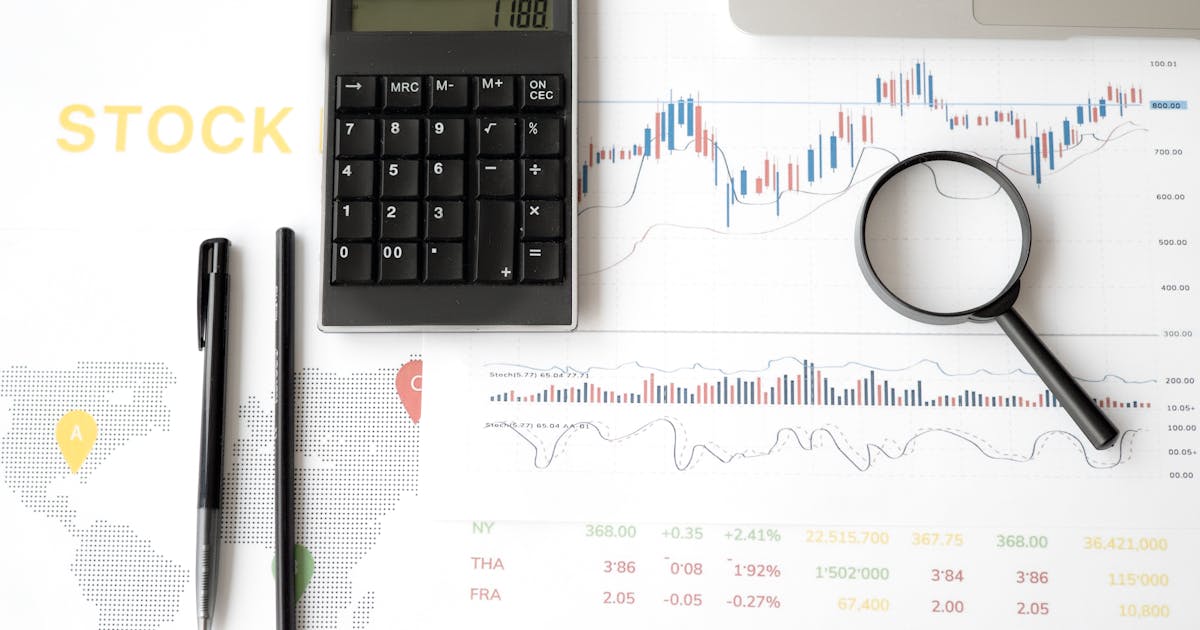
Fundamental analyse er processen med at måle en akties sande værd ved at studere den underliggende virksomhed, dens indtjening, balance, vækst og konkurrenceposition, snarere end blot dens pris. Målet er enkelt: bestem, hvad en virksomhed faktisk er værd, og sammenlign det så med, hvad markedet forlanger. Når prisen ligger et godt stykke under værdien, har du måske fundet en mulighed. Hvis du er ny i dette område, er vores guide til Forståelse af markedsværdi i aktier og krypto er en nyttig ledsager til denne artikel.
Denne trinvise guide viser dig præcis, hvordan professionelle analytikere dissekerer en virksomhed, fra at læse regnskaber til at beregne værdiansættelsesnøgletal og bedømme kvaliteten af ledelsen.
Hvad er fundamental analyse?
Fundamental analyse vurderer et værdipapir ved at undersøge de økonomiske og finansielle faktorer, der bestemmer dets indre værdi. Hvor teknisk analyse studerer prisdiagrammer, studerer fundamental analyse selve virksomheden: hvor meget den tjener, hvor hurtigt den vokser, hvor meget gæld den bærer, og hvor holdbar dens konkurrencefordel er.
Kerneovertydelsen er, at en akties pris på lang sigt graviterer mod den reelle værdi af virksomheden bag den. Kortsigtede priser kan svinge på følelser, men fundamentale forhold vinder over tid.
Trin 1: Forstå virksomheden
Før du rører et eneste tal, skal du forstå, hvad virksomheden rent faktisk laver. Spørg dig selv:
- Hvordan tjener den penge? Hvad er dens vigtigste produkter eller tjenester?
- Hvem er dens kunder, og hvor loyale er de?
- Hvem er dens konkurrenter, og hvilken fordel har den?
- Hvilke branchetendenser hjælper eller truer den?
Hvis du ikke kan forklare virksomheden med nogle få enkle sætninger, er du ikke klar til at investere i den. Klarhed omkring modellen er det fundament, alt andet hviler på.
Trin 2: Læs resultatopgørelsen
Resultatopgørelsen viser rentabiliteten over en periode. Vigtige linjer at studere:
- Omsætning: den samlede omsætning. Vokser den konsekvent år for år?
- Bruttofortjeneste: omsætning minus vareforbrug, hvilket afslører prissætningskraft.
- Driftsindtjening: overskud fra kerneaktiviteterne før renter og skat.
- Nettoindkomst: bundlinjeoverskuddet efter alle omkostninger.
Se efter støt, holdbar vækst snarere end et enkelt spektakulært år. Stigende omsætning parret med stigende marginer er et stærkt signal om en sund virksomhed i vækst.
Trin 3: Undersøg balancen
Balancen er et øjebliksbillede af, hvad en virksomhed ejer og skylder på et givet tidspunkt. Den følger en simpel ligning: aktiver er lig med passiver plus egenkapital. En stærk balance giver en virksomhed modstandsdygtighed i nedgangstider og fleksibilitet til at investere i vækst.
Aktiver
Aktiver omfatter kontanter, varelager, udstyr, ejendom og immaterielle aktiver som patenter. Vær opmærksom på likviditetspositionen; en virksomhed med rigelige kontanter kan modstå storme og gribe muligheder uden at skulle skrabe finansiering sammen.
Forpligtelser og gæld
Forpligtelser er forpligtelser, som virksomheden skal betale. Gæld er ikke i sig selv dårligt, men overdreven gæld er farlig, især når indtjeningen er volatil. Sammenlign den samlede gæld med egenkapitalen og med indtjeningen for at bedømme, om byrden er håndterbar.
Aktionærernes egenkapital
Egenkapital er den residualværdi, der tilhører aktionærerne, efter at forpligtelserne er trukket fra aktiverne. En egenkapital, der vokser støt år efter år, afspejler en virksomhed, der opbygger reel, tilbageholdt værdi i stedet for at brænde den af.
Trin 4: Studér pengestrømsopgørelsen
Indtjeningen kan manipuleres gennem regnskabsmæssige valg, men likviditet er sværere at forfalske. Pengestrømsopgørelsen afslører, hvordan pengene faktisk bevæger sig gennem virksomheden på tværs af tre afsnit.
- Driftsmæssig pengestrøm: kontanter genereret af kerneaktiviteterne. Dette er livsnerven i enhver sund virksomhed.
- Investeringspengestrøm: udgifter til udstyr, opkøb og investeringer.
- Pengestrøm fra finansieringsaktivitet: penge rejst eller tilbageført gennem gæld, egenkapital og udbytte.
Frit cash flow, driftsmæssigt cash flow minus investeringer, er et af de vigtigste tal i hele investeringsverdenen. Det repræsenterer de reelle kontanter, en virksomhed kan bruge til at betale udbytte, tilbagekøbe aktier, nedbringe gæld eller geninvestere. Et stabilt, voksende frit cash flow er kendetegnet for en virksomhed af høj kvalitet.
Trin 5: Beregn vigtige værdiansættelsesnøgletal
Nøgletal lader dig sammenligne virksomheder og vurdere, om en aktie er billig eller dyr i forhold til dens fundamentale forhold.
Pris-til-indtjening (P/E)
P/E-forholdet dividerer aktiekursen med indtjeningen per aktie. En høj P/E antyder, at markedet forventer stærk vækst; en lav P/E kan signalere et røverkøb eller skjulte problemer. Sammenlign altid P/E med branchekolleger og virksomhedens egen historik snarere end isoleret.
Pris-til-bog (P/B)
P/B sammenligner aktiekursen med virksomhedens bogførte værdi (egenkapital pr. aktie). Det er især nyttigt for aktivtunge virksomheder som banker og er et klassisk nøgletal inden for value-investering.
Pris-til-salg (P/S)
P/S sammenligner pris med omsætning, hvilket er nyttigt til at vurdere virksomheder, der vokser hurtigt, men endnu ikke er rentable, såsom unge teknologivirksomheder.
Egenkapitalforrentning (ROE)
ROE måler, hvor effektivt ledelsen omdanner aktionærernes penge til overskud. Et vedvarende højt ROE signalerer en kvalitetsvirksomhed med en holdbar konkurrencemæssig fordel.
Gæld-til-egenkapital
Dette forhold måler den finansielle gearing. Et lavere forhold betyder generelt en sikrere balance, selvom det ideelle niveau varierer meget fra branche til branche.
Trin 6: Vurdér vækst- og rentabilitetstendenser
Et øjebliksbillede fra et enkelt år fortæller dig kun lidt. Den reelle indsigt kommer fra tendenser over fem eller ti år. Find de historiske data frem, og spørg, om omsætning, indtjening, marginer og frit cash flow er på vej op, ligger fladt eller falder.
Vedholdenhed betyder lige så meget som størrelse. En virksomhed, der øger indtjeningen 10% hvert eneste år, er ofte mere værdifuld og forudsigelig end en, der svinger mellem 40% vækst og store tab. Stabile rentes-rente-virksomheder opbygger formue i det stille, og markedet belønner ofte deres pålidelighed med højere værdiansættelser.
Marginer afslører kvalitet
Overskudsgrader, brutto, drift og netto, afslører, hvor stor en del af hver omsætningskrone der bliver til overskud. Voksende marginer tyder på stigende prissætningskraft eller forbedret effektivitet. Faldende marginer advarer om stigende omkostninger eller intensiveret konkurrence. At sammenligne en virksomheds marginer med dens konkurrenters afslører hurtigt, hvem der har den stærkere position.
Trin 7: Vurdér den konkurrencemæssige voldgrav
Legendariske investorer værdsætter den “økonomiske voldgrav,” en holdbar fordel, der beskytter en virksomhed mod konkurrenter på samme måde, som en voldgrav beskytter et slot. Voldgrave findes i flere former:
- Brandstyrke: kunder betaler mere for et navn, de har tillid til.
- Netværkseffekter: produktet bliver mere værdifuldt, jo flere mennesker der bruger det.
- Skifteomkostninger: det er dyrt eller besværligt for kunderne at skifte væk.
- Omkostningsfordele: virksomheden producerer billigere end nogen anden.
- Immaterielle aktiver: patenter, licenser eller myndighedsgodkendelser, der blokerer for konkurrenter.
En bred, holdbar voldgrav giver en virksomhed mulighed for at fastholde høje afkast i årevis. Uden en sådan kan selv en profitabel forretning se sine marginer blive udhulet af konkurrence. At bedømme voldgraven er dels kunst, dels analyse, og det er ofte det, der adskiller en god investering fra en fremragende.
Trin 8: Bedøm ledelseskvaliteten
Tal afspejler de beslutninger, der træffes af de mennesker, som driver virksomheden. Stærk, ærlig og kompetent ledelse forrenter værdi; svag eller egennyttig ledelse ødelægger den. Se efter ledere med en historik for klog kapitalallokering, ærlig kommunikation og et betydeligt ejerskab af virksomhedens aktier.
Læs de årlige aktionærbreve og lyt til earnings calls. Indrømmer ledelsen fejl og forklarer deres ræsonnement, eller drejer de tingene og afleder opmærksomheden? Geninvesterer de klogt, returnerer de kapital fornuftigt og undgår de at betale for meget for opkøb? Ledelseskvalitet er svær at kvantificere, men enormt vigtig på lang sigt.
Trin 9: Estimér den indre værdi
Det ultimative formål med fundamental analyse er at estimere, hvad en virksomhed i virkeligheden er værd. Den mest stringente metode er discounted cash flow-modellen (DCF), der fremskriver fremtidige frie pengestrømme og tilbagediskonterer dem til nutidsværdi. Selvom matematikken involverer antagelser, tvinger disciplinen ved at bygge en DCF dig til at tænke klart over vækst, marginer og risiko.
Enklere tilgange omfatter at sammenligne værdiansættelsesmultipler med konkurrenter eller at anvende en rimelig multipel på den forventede indtjening. Uanset hvilken metode du bruger, er målet det samme: at nå frem til et estimat af den fair værdi og derefter kræve en sikkerhedsmargin ved kun at købe, når prisen ligger komfortabelt under den.
Princippet om sikkerhedsmargin
Formuleret af Benjamin Graham og videreført af Warren Buffett er sikkerhedsmarginen måske den vigtigste idé i fundamental analyse. Den betyder at købe en aktie for væsentligt mindre end dit skøn over dens indre værdi, hvilket skaber en stødpude mod fejl i din analyse og markedernes uforudsigelige natur.
Ingen analyse er perfekt. Dine vækstantagelser kan vise sig at være for optimistiske, eller et uventet chok kan ramme virksomheden. En bred sikkerhedsmargin, hvor du køber en dollar i værdi for tres eller halvfjerds cent, beskytter dig, når virkeligheden skuffer. Den forvandler investering fra et skrøbeligt væddemål til en robust strategi, hvor oddsene tipper til din fordel.
Kvalitative faktorer, som tallene overser
Regnskaber indfanger fortiden, men flere kvalitative kræfter former fremtiden og fortjener grundig overvejelse.
- Branchedynamik: er sektoren i vækst, moden eller i tilbagegang?
- Reguleringsmiljø: kan nye regler gavne eller skade forretningen?
- Teknologisk disruption: er virksomheden en innovatør eller et potentielt offer?
- Kundekoncentration: afhænger den farligt af nogle få store kunder?
- Virksomhedskultur: formår organisationen at tiltrække og fastholde talenter?
Disse faktorer fremgår sjældent rent af et regneark, og dog afgør de ofte, om en virksomhed trives eller snubler i løbet af det næste årti. At blande kvalitativ dømmekraft med kvantitativ stringens er det, der gør analyse virkelig kraftfuld.
Almindelige fejl i fundamental analyse
Selv samvittighedsfulde investorer falder i forudsigelige fælder. Bevidsthed hjælper dig med at undgå dem.
- Forankring i et enkelt nøgletal: en lav P/E betyder intet, hvis forretningen er på vej ned.
- Ignorering af gæld: en profitabel virksomhed kan stadig bryde sammen under en tung gældsbyrde i en nedtur.
- At jagte tidligere performance: gårsdagens vækst garanterer ikke morgendagens.
- Overdreven tillid til fremskrivninger: små ændringer i forudsætningerne kan rykke en værdiansættelse dramatisk.
- At forsømme voldgraven: billige aktier uden holdbare fordele forbliver ofte billige eller bliver endnu billigere.
Modgiften er ydmyghed og en tjekliste. Ved systematisk at arbejde dig igennem virksomheden, regnskaberne, nøgletallene, voldgraven og værdiansættelsen reducerer du risikoen for, at følelser eller et enkelt tiltalende tal fører dig på afveje.
Hvor du finder dataene
Pålidelig analyse kræver pålidelige kilder. Børsnoterede virksomheder indsender detaljerede rapporter, der er frit tilgængelige og langt mere fyldestgørende end nogen overskriftsresumé.
- Årsrapporter (10-K): den omfattende årlige indberetning med fuldstændige regnskaber og ledelsesberetning.
- Kvartalsrapporter (10-Q): opdateringer om udviklingen i løbet af året.
- Earnings calls: udskrifter og optagelser, hvor ledelsen forklarer resultaterne og besvarer analytikernes spørgsmål.
- Investorpræsentationer: ledelsens fremstilling af strategi og fremtidsudsigter.
At læse de oprindelige indberetninger frem for udelukkende at forlade sig på nyhedsresuméer giver dig et direkte, ufiltreret indblik i virksomheden. Det kræver mere indsats, men det er netop denne indsats, der skaber en informationsmæssig fordel over for tilfældige investorer.
At sætte det hele sammen: En praktisk tjekliste
Når du sætter dig ned for at analysere en aktie, holder en gentagelig tjekliste dig disciplineret:
- Kan jeg forklare i et almindeligt sprog, hvordan denne virksomhed tjener penge?
- Vokser omsætningen støt, og er marginerne sunde eller stigende?
- Er balancen stærk, med håndterbar gæld og rigelige kontanter?
- Genererer virksomheden konsistent, voksende frit cash flow?
- Hvordan er værdiansættelsesnøgletallene sammenlignet med konkurrenterne og med dens egen historik?
- Har den en holdbar konkurrencemæssig voldgrav (moat)?
- Er ledelsen kompetent, ærlig og godt afstemt med aktionærerne?
- Er den nuværende pris under mit estimat af den indre værdi, med en sikkerhedsmargin?
Hvis en virksomhed klarer hvert punkt overbevisende, har du måske fundet en værdig langsigtet investering. Hvis den snubler på flere, tilsiger tålmodighed og disciplin, at du bliver ved med at lede.
Det langsigtede udbytte af at gøre arbejdet
Fundamental analyse er krævende. Den beder dig om at læse regnskabsindberetninger, knuse tal og tænke kritisk om virksomhedskvalitet, alt sammen før du risikerer en eneste øre. Men netop dette arbejde er det, der giver langsigtede investorer deres fordel. Mens andre jagter overskrifter og momentum, køber den fundamentale investor roligt gode virksomheder til fair priser og lader tid og renters rente klare det tunge løft.
Mesterskab kommer ikke fra den ene dag til den anden. Hver virksomhed, du analyserer, skærper din dømmekraft og uddyber din forståelse af, hvad der får virksomheder til at lykkes eller mislykkes. Over årene bliver denne opsamlede visdom til en ægte, varig fordel, en, som ingen algoritme eller hede tip kan erstatte.
At sammenligne virksomheder inden for en branche
Et tal betyder kun lidt isoleret set. En P/E på 20 kan være billig for et hurtigtvoksende softwarefirma, men dyr for et langsomt forsyningsselskab. Derfor er sammenligning inden for en branche afgørende. Stil flere konkurrenter op ved siden af hinanden, og sammenlign deres vækstrater, marginer, egenkapitalforrentning, gældsniveauer og værdiansættelsesmultipler.
Dette relative perspektiv afslører hurtigt, hvilken virksomhed der er den stærkeste operatør, og om markedet prissætter den fair. Nogle gange opdager du, at det tilsyneladende røverkøb er billigt af en god grund, mens den tilsyneladende dyre leder faktisk tilbyder bedre værdi, når dens overlegne kvalitet og vækst tages i betragtning. Kontekst forvandler rå tal til ægte indsigt.
Cykliske vs. defensive virksomheder
At forstå, hvor en virksomhed befinder sig i den økonomiske cyklus, former, hvordan du fortolker dens resultater. Cykliske virksomheder, såsom bilproducenter, flyselskaber og byggefirmaer, oplever, at indtjeningen svinger dramatisk med økonomien. Deres indtjening kan se forfærdelig ud i bunden af en cyklus og fremragende ud på toppen, hvilket kan vildlede en naiv aflæsning af P/E.
Defensive virksomheder, som forsyningsselskaber, dagligvarer og sundhedspleje, leverer mere stabile resultater uanset økonomien, fordi folk har brug for deres produkter i både gode og dårlige tider. At vide, hvilken kategori en virksomhed falder ind under, hjælper dig med at sætte realistiske forventninger og undgå at købe en cyklisk aktie på toppen af dens indtjening, blot fordi nøgletallene ser attraktive ud.
Udbyttets rolle i analysen
For indkomstfokuserede investorer er en virksomheds’s udbytte politik er en vigtig del af billedet. Undersøg udbytteafkastet, men se dybere på udlodningsraten, den andel af indtjeningen, der udbetales som udbytte. En meget høj udlodningsrate kan være uholdbar, mens en moderat rate giver plads til vækst og geninvestering.
En lang historik med jævnt stigende udbytter signalerer ofte finansiel styrke og disciplineret ledelse. Virksomheder, der har hævet deres udbytte hvert år i årtier, har vist modstandsdygtighed gennem flere recessioner, en stærk bekræftelse på kvalitet, som rene vækstnøgletal kan overse.
At forblive objektiv og tålmodig
Måske er den sværeste del af fundamental analyse følelsesmæssig, ikke analytisk. Når du først har investeret timer i at researche en virksomhed, er det fristende at blive forelsket i den og overse faresignaler. Disciplinerede investorer beskytter sig mod denne bias ved aktivt at opsøge bear-scenariet, de stærkeste argumenter imod deres egen tese.
Tålmodighed fuldender billedet. Selv en glimrende analyseret virksomhed kan handle sidelæns i årevis, før markedet anerkender dens værdi. Fundamental analyse er et langt spil, og de, der har tillid til deres arbejde og venter, frem for at jagte hurtige resultater, er dem, der i sidste ende høster belønningen af renters rente.
Top-down- vs. bottom-up-analyse
Der findes to brede måder at gribe fundamental analyse an på. Den top-down tilgang starter med det store billede: den samlede økonomi, dernæst lovende sektorer og til sidst de enkelte virksomheder inden for disse sektorer. Den passer til investorer, der ønsker at positionere sig omkring makrotendenser som renter, demografi eller teknologiske skift.
De bottom-up tilgang ser bort fra makroprognoser og fokuserer udelukkende på at finde fremragende enkeltvirksomheder til attraktive priser, uanset hvad den bredere økonomi foretager sig. Mange af de største investorer hælder til bottom-up-tilgangen ud fra den betragtning, at en fremragende virksomhed købt til en rimelig pris vil trives på tværs af mange økonomiske miljøer. Ingen af metoderne er forkerte, og dygtige analytikere blander ofte begge, men at kende din foretrukne tilgang giver fokus til din research.
Hvordan fundamental analyse passer ind i en bredere strategi
Fundamental analyse er ikke et selvstændigt trick, men hjørnestenen i en komplet investeringsfilosofi. Den passer naturligt sammen med diversificering, hvor man spreder kapital ud over flere velanalyserede virksomheder, så ingen enkelt fejl bliver katastrofal. Den passer også sammen med en lang tidshorisont, da den værdi, du identificerer, ofte tager år at blive fuldt afspejlet i prisen.
Kombineret med disciplineret risikostyring og følelsesmæssig ro bliver fundamental analyse en holdbar motor til at opbygge formue. Den vil ikke levere rigdom fra den ene dag til den anden, og den vil ikke gøre hvert valg til en vinder. Det, den tilbyder, er noget mere værdifuldt: en rationel, gentagelig proces til at vippe oddsene til din fordel over en levetid med investering.
Opbygning af dine analytiske evner over tid
Som ethvert håndværk forbedres fundamental analyse med bevidst øvelse. Begynd med at analysere virksomheder, du allerede forstår som kunde, og udvid derefter gradvist til mindre velkendte brancher. Før en research-journal, der dokumenterer din tese, din værdiansættelse og den pris, du ville betale, og vend så tilbage til den senere for at se, hvordan din ræsonnering holdt.
Over snesevis af analyser opstår der mønstre. Du lærer at få øje på faresignalerne ved virksomheder i forfald og de stilfærdige kendetegn ved exceptionelle virksomheder. Denne opsamlede mønstergenkendelse, opbygget én virksomhed ad gangen, er det, der i sidste ende gør det muligt for erfarne investorer at vurdere en mulighed med både hastighed og dybde. Der er ingen genveje, men forrentningen af viden er lige så reel som forrentningen af kapital.
Relateret læsning
Fortsæt med at opbygge din viden med disse relaterede vejledninger:
- Forståelse af markedsværdi i aktier og krypto
- Indeksfonde vs. ETF'er: Valg af billige investeringer
- Diversificering forklaret: Sådan opbygger du en balanceret investeringsportefølje
- Dagshandel vs. langsigtet investering: Hvilken strategi er den rigtige for dig?
Ofte stillede spørgsmål
Hvor lang tid tager det at analysere en aktie?
En grundig første analyse af en enkelt virksomhed kan tage flere timer, herunder læsning af de seneste indberetninger og earnings calls. Med øvelse opbygger du mentale genveje, men du bør aldrig forhaste processen ved en investering af betydning.
Kan fundamental analyse forudsige kortsigtede prisbevægelser?
Nej. Fundamental analyse er designet til mellem- og langsigtet investering. Kortsigtede priser drives af stemning og momentum, som fundamentale forhold ikke indfanger. Tålmodighed er afgørende.
Hvad er det vigtigste finansielle nøgletal?
Der er ikke ét enkelt svar, men pris-til-indtjening ratio, frit cash flow og gældsniveauer er blandt de mest udbredte udgangspunkter. Den rette vægtning afhænger af virksomheden og branchen.
Har jeg brug for en regnskabsmæssig baggrund?
Nej, men du er nødt til at lære at læse de tre centrale regnskaber. Begreberne er tilgængelige, og mange succesfulde investorer er selvlærte gennem tålmodige studier.
Konklusion
Fundamental analyse gør investering fra gætteri til en disciplineret søgen efter værdi. Ved at forstå virksomheden, læse regnskaberne og afveje værdiansættelse mod kvalitet træffer du beslutninger forankret i virkeligheden frem for i hype.
Klar til at gå mere i dybden? Udforsk vores guides om opbygning af en udbytteportefølje og indeksinvestering, så du kan omsætte din analyse til handling.
Ansvarsfraskrivelse: Denne artikel er udelukkende til uddannelsesformål og er ikke investeringsrådgivning. Lav altid din egen research og rådfør dig med en autoriseret finansiel rådgiver, før du investerer.
 English
  German
  Polish
  French
  German (Switzerland)
  Croatian
  Czech
Czech  Italian
  Spanish
  Swedish
  Portuguese (Portugal)
  Portuguese (Brazil)
  Japanese
  Thai
Thai  Danish