
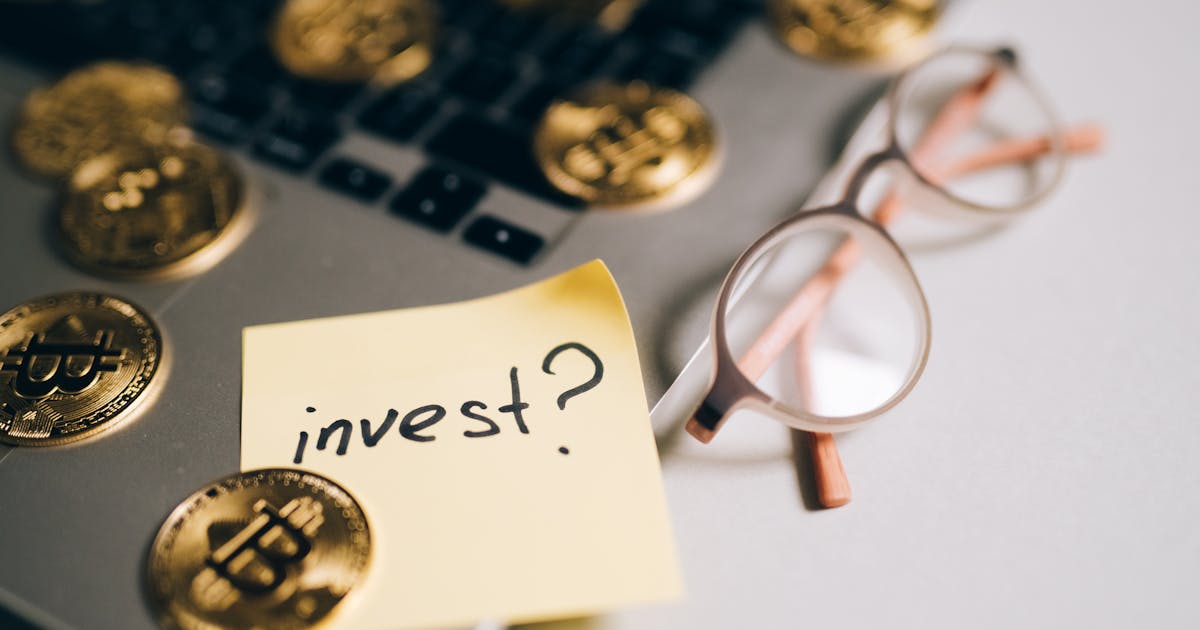
Tokenomics El estudio del diseño económico de una criptomoneda, cómo se crean, distribuyen y utilizan sus tokens, y analizarlo correctamente es una de las habilidades más importantes para cualquier inversor serio en criptomonedas. Un proyecto puede tener una tecnología brillante y un equipo carismático, pero si su economía de tokens es defectuosa, la inversión puede fracasar. Comprender la tokenómica ayuda a distinguir los proyectos sostenibles de aquellos destinados al fracaso. Si eres nuevo en esta área, nuestra guía sobre Cómo leer un documento técnico sobre criptomonedas antes de invertir Es un complemento útil para este artículo.
Esta guía desglosa los componentes clave de la tokenómica y te muestra cómo evaluarlos antes de invertir, para que puedas tomar decisiones basadas en la realidad económica y no en la euforia del momento.
¿Qué es la tokenómica?
Tokenomics combina las palabras token y economía, y se refiere al marco económico completo que rige una criptomoneda. Abarca la cantidad de tokens existentes, cómo se crean o destruyen, cómo se distribuyen y qué les otorga valor y demanda dentro de su ecosistema.
Así como las políticas económicas de un país influyen en el valor de su moneda, la tokenómica de un proyecto de criptomonedas determina el valor y las perspectivas de su token. Una tokenómica sólida alinea los incentivos, fomenta una demanda sostenible y recompensa a los inversores a largo plazo, mientras que una tokenómica débil puede condenar incluso a proyectos técnicamente impresionantes.
Por qué la tokenómica es importante para los inversores
Muchos inversores se centran exclusivamente en la tecnología, las alianzas o el marketing de un proyecto, ignorando su tokenómica, a menudo en detrimento propio. El diseño económico determina, en última instancia, si la tenencia del token resultará rentable o decepcionante a largo plazo.
Un token con una inflación excesiva de la oferta, una distribución deficiente o factores de demanda débiles puede perder valor incluso si el proyecto subyacente tiene éxito. Por el contrario, una tokenómica bien diseñada puede respaldar e incluso impulsar el valor a lo largo del tiempo. Por lo tanto, analizar la tokenómica es fundamental para la debida diligencia, ya que ayuda a evitar proyectos con fallas económicas ocultas e identificar aquellos con un verdadero potencial de permanencia.
Componentes clave de la tokenómica
La tokenómica de un proyecto está compuesta por varios elementos fundamentales, cada uno de los cuales merece un examen minucioso:
- Suministrar: cuántos tokens existen y existirán alguna vez.
- Distribución: cómo se distribuyen los tokens entre los participantes.
- Utilidad: para qué se utiliza realmente el token.
- Incentivos: cómo el diseño fomenta el comportamiento deseado.
- Emisión y combustión: cómo cambia la oferta con el tiempo.
Comprender cada uno de estos componentes y cómo interactúan entre sí proporciona una visión completa de la salud económica de un token y sus perspectivas como inversión.
Análisis del suministro de tokens
La oferta es uno de los aspectos más fundamentales de la tokenómica, y se presenta en varias formas importantes que todo inversor debería distinguir.
Suministro circulante, total y máximo
- suministro circulante: los tokens actualmente disponibles y que se negocian en el mercado.
- Suministro total: todos los tokens que existen actualmente, incluidos los bloqueados o reservados.
- Suministro máximo: el límite absoluto de cuántos tokens existirán, si se define un tope.
Estas distinciones importan enormemente. Un proyecto podría tener una modesta suministro circulante Ahora bien, existe una oferta total o máxima mucho mayor a la espera de entrar en el mercado. Esta oferta pendiente puede diluir las acciones de los tenedores actuales a medida que se libera, lo que ejerce presión sobre el precio. Siempre hay que ir más allá de la oferta circulante para comprender el panorama completo de la dilución futura.
Modelos inflacionarios frente a modelos deflacionarios
Algunos tokens son inflacionarios, con una oferta que aumenta con el tiempo mediante su emisión continua, mientras que otros son deflacionarios, con mecanismos que reducen la oferta. Ninguno de los dos modelos es intrínsecamente superior, pero comprender cuál utiliza un proyecto y por qué es fundamental. Una alta inflación requiere una demanda fuerte y creciente solo para mantener el precio, mientras que una oferta controlada o decreciente puede sostener el valor con mayor facilidad.
Examinando la distribución de tokens
La forma en que se distribuyen los tokens de un proyecto revela mucho sobre su equidad y los riesgos que conlleva. La distribución se refiere a cómo se asignan los tokens entre los fundadores, los miembros del equipo, los inversores, la comunidad y otras partes interesadas.
Señales de alerta en la distribución
Una distribución altamente concentrada, donde un pequeño grupo posee una gran parte de la oferta, plantea riesgos significativos. Estos grandes inversores podrían vender cantidades sustanciales, provocando una caída drástica del precio, o ejercer una influencia desproporcionada sobre el proyecto. Las asignaciones excesivas a personas con información privilegiada en relación con el resto de la comunidad pueden indicar incentivos desalineados.
Distribución saludable
Una distribución más equilibrada y diversificada suele indicar una tokenómica más saludable. Reduce el riesgo de manipulación de precios por parte de grandes poseedores y refleja un lanzamiento más justo. Analizar cómo se distribuyeron inicialmente los tokens y el grado de concentración de la propiedad es fundamental para evaluar la solidez económica de un proyecto y los riesgos que conlleva.
Comprensión de la adquisición de derechos y los periodos de bloqueo
Los calendarios de adquisición de derechos y los periodos de bloqueo determinan cuándo los tokens asignados estarán disponibles para sus titulares, en particular para los inversores internos y los primeros inversores. Estos mecanismos están diseñados para evitar que los grandes poseedores vendan sus tokens de inmediato y para alinear sus intereses con el éxito a largo plazo del proyecto.
Sin embargo, el período de adquisición de derechos también genera oferta futura que eventualmente llegará al mercado. Cuando se desbloquean grandes cantidades de tokens previamente bloqueados, el aumento de la oferta resultante puede presionar el precio. Analizar el calendario de adquisición de derechos ayuda a anticipar estos eventos de desbloqueo y a comprender la dinámica de la oferta futura. Un proyecto con desbloqueos masivos inminentes puede enfrentar una presión de venta significativa que los inversores prudentes deberán tener en cuenta.
Evaluación de la utilidad del token
Quizás la pregunta más importante sobre cualquier token sea simple: ¿para qué se usa realmente? La utilidad, la función real y la demanda de un token dentro de su ecosistema, es lo que en última instancia sustenta su valor sostenible. Un token sin utilidad genuina se basa únicamente en la especulación, que es frágil.
Formas comunes de utilidad
- Comisiones por transacción: El token es necesario para pagar el uso de la red.
- GobernanciaLos poseedores utilizan el token para votar sobre las decisiones del proyecto.
- ApostajeEl token se utiliza para asegurar la red y obtener recompensas.
- Acceso: el token otorga acceso a servicios o funciones dentro del ecosistema.
Las mejores prácticas en materia de tokens se caracterizan por una demanda genuina y creciente, impulsada por su uso real. Cuando un token es esencial para un ecosistema próspero, su demanda puede crecer a la par de la adopción de la plataforma. Por el contrario, los tokens cuyo único propósito es la especulación carecen de esta base y son mucho más vulnerables al colapso.
Evaluación de los factores que impulsan la demanda
El valor surge de la interacción entre la oferta y la demanda, por lo que comprender qué impulsa la demanda de un token es fundamental. La demanda sostenible proviene de la utilidad real y la adopción, mientras que la demanda artificial, generada por la publicidad o los incentivos temporales, tiende a desvanecerse.
Pregúntese por qué alguien querría poseer o comprar este token, y si es probable que esas razones perduren y se fortalezcan. La demanda impulsada por el uso real, el crecimiento de la red y el papel esencial del token en su ecosistema es mucho más duradera que la demanda impulsada por el marketing o las recompensas efímeras. Unos sólidos factores que impulsan la demanda, junto con una oferta razonable, son la clave de una tokenómica saludable que puede generar valor a largo plazo.
Calendario de emisiones e inflación
El calendario de emisiones describe cómo y cuándo entran en circulación nuevos tokens. Esto es fundamental, ya que determina la cantidad de nueva oferta que el mercado debe absorber con el tiempo. Un token con altas emisiones inunda el mercado con nueva oferta, lo que puede deprimir el precio a menos que la demanda crezca lo suficientemente rápido como para compensarlo.
Analizar el calendario de emisiones ayuda a comprender la presión inflacionaria sobre un token. Algunos proyectos concentran las emisiones al inicio, liberando muchos tokens con antelación, mientras que otros las distribuyen o las reducen gradualmente con el tiempo. Comprender esta trayectoria permite anticipar las presiones sobre la oferta y determinar si los factores que impulsan la demanda del proyecto son lo suficientemente fuertes como para contrarrestar la oferta entrante. Ignorar las emisiones es un error común y costoso.
Quema y recompra de tokens
Por otro lado, en la dinámica de la oferta, existen mecanismos que la reducen. La quema de tokens los retira permanentemente de la circulación, mientras que la recompra implica que un proyecto adquiera tokens en el mercado, a veces para luego quemarlos. Estos mecanismos pueden contrarrestar la inflación y mantener el valor al aumentar la escasez.
Sin embargo, las quemas y recompras deben evaluarse con detenimiento. Solo son relevantes si son sustanciales en relación con la oferta y sostenibles a lo largo del tiempo. Algunos proyectos las utilizan más con fines de marketing que para generar un impacto económico real. Evaluar si estos mecanismos son económicamente significativos, y no meramente promocionales, forma parte de un análisis exhaustivo de la tokenómica. Cuando son reales y sostenibles, pueden ser un factor positivo para los poseedores.
Estructuras de incentivos y alineación
Un sistema de tokenización bien diseñado alinea los incentivos de todos los participantes (fundadores, inversores, usuarios y la comunidad en general) con el éxito a largo plazo del proyecto. Por el contrario, unos incentivos desalineados pueden generar comportamientos que perjudiquen el proyecto y a los poseedores de tokens.
Analice cómo la tokenómica fomenta el comportamiento deseado. ¿Recompensa la tenencia a largo plazo y la participación activa, o incentiva la compraventa rápida y la extracción de fondos? ¿Los participantes internos se benefician solo cuando el proyecto tiene éxito con el tiempo, o pueden obtener ganancias a expensas de los demás poseedores? Las tokenómicas que realmente alinean los incentivos crean un círculo virtuoso, mientras que las que no lo hacen suelen sembrar las semillas del colapso. Esta alineación es sutil, pero de vital importancia.
La relación entre la oferta y la demanda
En última instancia, el valor de un token depende del equilibrio entre la oferta y la demanda, y un buen análisis de tokenómica logra armonizar ambos aspectos. Un token puede tener una oferta controlada, pero si no hay demanda, no conservará su valor. Por el contrario, una fuerte demanda puede verse debilitada por una inflación excesiva de la oferta.
Las mejores prácticas de tokenómica se caracterizan por la sostenibilidad de la demanda y una gestión de la oferta sensata, de modo que la creciente adopción se traduce en un valor sostenido o en aumento, en lugar de diluirse. Considerar ambos aspectos, en lugar de centrarse en uno solo, es lo que hace que el análisis de la tokenómica sea realmente útil. Es la interacción entre ambos, y no una sola métrica, lo que determina las perspectivas económicas de un token.
Comparación de la valoración totalmente diluida
Una métrica crucial en el análisis de la tokenómica es la valoración totalmente diluida, que calcula cuál sería el valor total de mercado de un token si todos estuvieran en circulación. Comparar este valor con el valor de mercado actual revela la posible dilución futura.
Una gran diferencia entre la valoración actual y la valoración totalmente diluida es una señal de alerta, que indica que eventualmente entrará al mercado una cantidad sustancial de nueva oferta. Esta oferta futura puede influir considerablemente en el precio una vez que se libere. Siempre verifique esta comparación, ya que un token que parece razonable según la oferta circulante podría resultar mucho menos atractivo una vez que se considere su oferta futura total. Esta simple verificación puede evitar que los inversores cometan graves errores de cálculo.
Señales de alerta a tener en cuenta
Ciertas características de la tokenómica deberían suscitar precaución o una investigación más profunda:
- Concentración extrema de la oferta Entre personas con información privilegiada o unos pocos grandes accionistas.
- Alta inflación sin factores que impulsen una demanda igualmente fuerte.
- Desbloqueo masivo de tokens se avecina una amenaza que podría inundar el mercado.
- Utilidad vaga o inexistente, donde el token no tiene un propósito claro.
- Grandes huecos entre la valoración circulante y la valoración totalmente diluida.
- Incentivos que recompensan Extracción a corto plazo frente a construcción a largo plazo.
Detectar estas señales de alerta ayuda a evitar proyectos con una viabilidad económica fundamentalmente débil. Si bien ninguna señal por sí sola condena necesariamente un proyecto, su presencia justifica un análisis más profundo y un mayor escepticismo antes de invertir capital.
Indicadores positivos de una tokenómica saludable
Igualmente importante es reconocer las señales de una tokenómica bien diseñada:
- Utilidad genuina y creciente Eso crea una demanda real para el token.
- Distribución justa y dispersa eso reduce el riesgo de manipulación.
- Gestión sensata de la cadena de suministro con emisiones controladas o transparentes.
- Incentivos alineados que recompensen la participación y la construcción a largo plazo.
- Transparencia en cómo se documentan y comunican las tokenómicas.
Los proyectos que muestran estas señales positivas tienen más probabilidades de ser económicamente sostenibles y generar valor a lo largo del tiempo. Identificar estos indicadores le ayuda a enfocar su atención y capital en proyectos con bases más sólidas.
El papel de la gobernanza en la tokenómica
Para muchos tokens, la gobernanza es un elemento central de su economía. Los poseedores pueden usar sus tokens para votar en decisiones clave, desde cómo se gastan los fondos hasta cómo evoluciona el protocolo. Esto otorga al token una utilidad real y voz en la dirección del proyecto, pero también concentra la influencia en manos de los mayores poseedores.
Por lo tanto, evaluar el diseño de la gobernanza forma parte del análisis de la tokenómica. Una gobernanza bien estructurada distribuye la influencia de manera razonable y fomenta la participación constructiva, mientras que una gobernanza mal diseñada puede permitir que un pequeño grupo domine las decisiones en beneficio propio. Comprender cómo funciona la gobernanza revela tanto la utilidad del token como la dinámica política que puede influir en el futuro del proyecto.
Dónde encontrar información sobre tokenómica
Para realizar un análisis tokenomics exhaustivo, es necesario recopilar información fiable de fuentes primarias. El libro blanco del proyecto y la documentación oficial son los puntos de partida, ya que suelen detallar los planes de suministro, distribución, utilidad y emisiones. Leerlos detenidamente, en lugar de basarse en resúmenes, proporciona la visión más precisa.
Más allá de los documentos oficiales, las plataformas de datos confiables proporcionan cifras de oferta, datos de distribución y métricas de valoración que permiten verificar las afirmaciones del proyecto y observar cómo se desarrolla la tokenómica en la práctica. Contrastar las fuentes oficiales con datos independientes ayuda a detectar discrepancias y a obtener una visión integral. Esta diligencia requiere esfuerzo, pero es precisamente lo que protege de proyectos con modelos económicos engañosos o defectuosos.
Cómo evoluciona la tokenómica con el tiempo
Es importante reconocer que la tokenómica no siempre es estática. Algunos proyectos ajustan sus parámetros económicos con el tiempo mediante decisiones de gobernanza, cambios en las tasas de emisión, la introducción de quemas o la modificación de los incentivos. Estos cambios pueden afectar significativamente el valor y las perspectivas de un token, para bien o para mal.
Estar atento a la evolución de la tokenómica de un proyecto forma parte de la debida diligencia continua, no se trata solo de una verificación puntual antes de invertir. Un proyecto con una economía sólida hoy podría debilitarla debido a una mala gobernanza, mientras que un proyecto con dificultades podría mejorar su diseño. Monitorear estos desarrollos le ayuda a responder a los cambios que afectan significativamente su inversión.
Poniendo la tokenómica en contexto
Si bien la tokenómica es crucial, debe evaluarse junto con otros factores, no de forma aislada. La tecnología, el equipo, la adopción, la competencia y las condiciones generales del mercado de un proyecto interactúan con su tokenómica para determinar sus perspectivas. Una tokenómica sólida no puede salvar un proyecto sin un caso de uso real, e incluso unos buenos fundamentos pueden verse perjudicados por un diseño económico deficiente.
El análisis más exhaustivo integra la tokenómica en una evaluación completa de un proyecto. Al considerar cómo el diseño económico apoya o dificulta los objetivos del proyecto y cómo se relaciona con el resto de los elementos, se llega a una conclusión mucho más fiable. La tokenómica es una pieza fundamental del rompecabezas, pero es el panorama general el que, en última instancia, guía las decisiones de inversión acertadas.
Errores comunes en el análisis tokenómico
Incluso los inversores más diligentes pueden cometer errores al analizar la tokenómica. Presta atención a estos errores:
- Si nos fijamos únicamente en el suministro circulante sin tener en cuenta la dilución futura.
- Pasar por alto los calendarios de adquisición de derechos y los próximos desbloqueos de tokens.
- Suponiendo altos rendimientos o quemaduras dan positivo automáticamente sin comprobar su sustancia.
- Ignorar la utilidad y centrándonos únicamente en los precios y las cifras de oferta.
- Descuidar la alineación de incentivos entre los participantes del proyecto.
Para evitar estos errores, se requiere un enfoque integral y crítico que examine todos los aspectos económicos de un token. Los inversores que toman decisiones acertadas de forma constante son aquellos que profundizan en el análisis en lugar de aceptar las cifras principales sin cuestionarlas.
Elaboración de una lista de verificación de tokenómica
Para aplicar este conocimiento de forma sistemática, una lista de verificación ayuda a asegurar que se cubran todas las áreas clave. Antes de invertir, pregúntese: ¿Cuáles son los suministros circulantes, totales y máximos? ¿El token es inflacionario o deflacionario, y cuál es el calendario de emisiones? ¿Cómo se distribuye el token y qué tan concentrada está su propiedad? ¿Qué período de adquisición y desbloqueo se avecina? ¿Qué utilidad real impulsa la demanda? ¿Están los incentivos alineados a largo plazo? ¿Cómo se compara la valoración totalmente diluida con la valoración actual?
Analizar estas cuestiones para cada posible inversión fomenta la disciplina y la coherencia. Garantiza que, en medio del entusiasmo por un proyecto prometedor, no se pasen por alto factores cruciales. Este enfoque metódico transforma el análisis tokenómico, de un concepto vago a un proceso práctico y repetible que mejora significativamente la toma de decisiones.
La diferencia entre buena tecnología y buena tokenómica
Un error común es suponer que una tecnología impresionante garantiza una buena inversión. La historia ofrece numerosos ejemplos de proyectos técnicamente sofisticados cuyos tokens, sin embargo, perdieron valor debido a fallos en su modelo económico. La tecnología y el token están relacionados, pero son distintos; un proyecto puede tener éxito aunque su token decepcione a sus poseedores, si este último no refleja adecuadamente el valor generado.
Por eso, la tokenómica merece una atención específica, independiente de la evaluación técnica. La pregunta clave para un inversor no es solo si el proyecto tendrá éxito, sino si la tenencia del token se verá recompensada en caso de que lo logre. Un token debe diseñarse para capturar y reflejar el valor de su ecosistema, y el análisis de la tokenómica es la forma de evaluar si lo consigue.
Reflexiones finales
La tokenómica es la base económica de toda criptomoneda, y dominar su análisis es una de las habilidades más valiosas que un inversor en criptomonedas puede desarrollar. Al examinar la oferta, la distribución, la utilidad, los incentivos y la interacción entre la oferta y la demanda, se adquiere la capacidad de distinguir los proyectos con fundamentos económicos sostenibles de aquellos destinados al fracaso.
Este análisis requiere esfuerzo, escepticismo y atención al detalle, pero vale la pena, ya que te ayuda a evitar errores costosos e identificar oportunidades realmente prometedoras. En un entorno lleno de exageraciones y tendencias pasajeras, un conocimiento sólido de la tokenómica fundamenta tus decisiones en la realidad económica. Intégrala como parte esencial de tu análisis y estarás preparado para desenvolverte en el mundo de las criptomonedas con mucha más confianza y discernimiento.
Lecturas relacionadas
Sigue ampliando tus conocimientos con estas guías relacionadas:
- Cómo leer un documento técnico sobre criptomonedas antes de invertir
- Comprender la capitalización de mercado en acciones y criptomonedas
- Yield Farming y fondos de liquidez: recompensas y riesgos
- Cómo funcionan las stablecoins y si realmente son seguras.
Preguntas frecuentes
¿Cuál es el factor más importante en la tokenómica?
No existe un único factor determinante; la oferta, la distribución, la utilidad y la demanda influyen e interactúan entre sí. Sin embargo, una demanda sostenible combinada con una oferta controlada suele ser lo que distingue a las tokenómicas sólidas de las débiles.
¿Cómo afecta la oferta de tokens al precio?
La oferta afecta al precio a través de la escasez y la dilución. Un token con alta inflación puede ver su precio presionado a medida que entra nueva oferta en el mercado, mientras que una oferta controlada o decreciente puede sostener el valor si la demanda se mantiene o aumenta.
¿Qué es una quema de tokens?
La quema de tokens elimina permanentemente los tokens de la circulación, reduciendo la oferta. En ocasiones, los proyectos utilizan la quema de tokens para contrarrestar la inflación o para devolver valor a los poseedores aumentando la escasez.
¿Cómo puedo encontrar la tokenómica de un proyecto?
La tokenómica suele detallarse en el libro blanco y la documentación del proyecto. Es fundamental revisar estas fuentes primarias, junto con plataformas de datos fiables, antes de invertir.
Conclusión
La tokenómica es la base económica de cualquier criptomoneda, y analizarla detenidamente es indispensable para invertir con sensatez. Al examinar la oferta, la distribución, la utilidad y la demanda, se pueden identificar proyectos con una economía sostenible y evitar aquellos con defectos ocultos.
En el mundo de las criptomonedas, los proyectos que perduran son casi siempre aquellos cuya economía fue diseñada con esmero, y el análisis de la tokenómica es la forma de encontrarlos.
¿Quieres invertir en criptomonedas con inteligencia? Consulta nuestras guías sobre cómo leer documentos técnicos (whitepapers) y sobre el staking de criptomonedas para crear un conjunto completo de herramientas analíticas.
Descargo de responsabilidad: Este artículo tiene fines educativos únicamente y no constituye asesoramiento de inversión. Las criptomonedas son altamente volátiles y riesgosas. Investigue siempre por su cuenta y consulte con un asesor autorizado.
 English
  German
  Polish
  French
  German (Switzerland)
  Croatian
  Czech
Czech  Italian
  Spanish
  Swedish
  Portuguese (Portugal)
  Portuguese (Brazil)
  Japanese
  Thai
Thai  Danish