
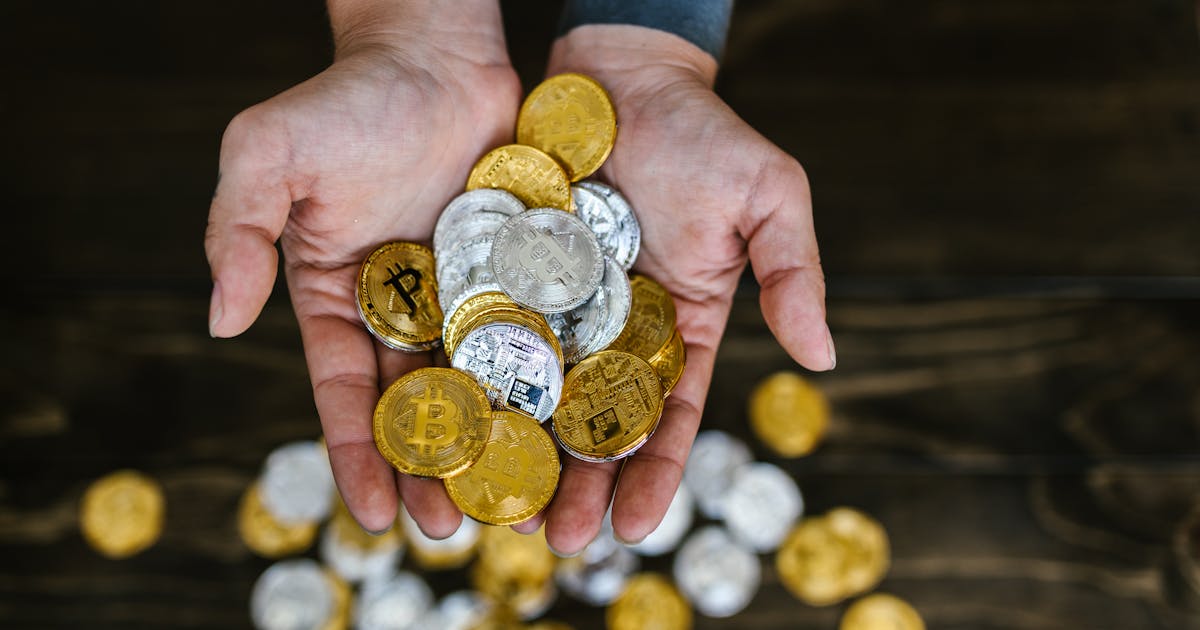
収量農業 これは、分散型金融プロトコルで暗号資産を貸し出したりステーキングしたりして収益を得る行為であり、多くの場合、資金を提供することによって行われます。 流動性 分散型取引を支えるプール。. 金融業界全体でも屈指の高利回りを約束する一方で、その報酬には重大かつしばしば誤解されがちなリスクが伴います。資金を投じる前に、その両面を理解することが不可欠です。. この地域に初めて来た方は、 暗号資産ステーキング解説:プルーフ・オブ・ステークで利回りを得る方法 これはこの記事の有用な補足資料となる。.
このガイドでは、イールドファーミングと流動性プールの仕組み、収益の源泉、そして魅力的な利回りを痛ましい損失に変えてしまう可能性のある現実的な危険性について説明します。.
流動性プールとは何ですか?
流動性プールは、分散型取引所の原動力です。従来の取引所のように個々の買い手と売り手をマッチングさせるのではなく、分散型取引所はユーザーから提供された資金のプールを利用します。これらのプールにはトークンのペアが含まれており、トレーダーは他の個人ではなく、このプールを相手に取引を行います。.
流動性プールにトークンを提供すると、あなたは流動性プロバイダーとなります。取引を可能にする資金を提供する見返りとして、プールで発生する取引手数料の一部を受け取ることができます。これが、イールドファーミングの基盤となる仕組みです。.
イールドファーミングの仕組み
イールドファーミングは、流動性を提供するという概念に、インセンティブの層を重ねたものです。流動性プロバイダーとして得られる取引手数料に加え、多くのプロトコルは参加者に追加のトークン(多くの場合、独自のガバナンストークン)を付与することで、資金を呼び込みます。こうした追加報酬は、表面的な利回りを劇的に向上させる可能性があります。.
農家は、最高の収益を求めて、しばしば複数のプロトコル間で資産を移動させ、時には獲得したトークンを担保として別のプロトコルに参加することもあります。こうした戦略の積み重ねは収益を倍増させる可能性がありますが、同時に複雑さとリスクも増大させます。最高の収益を追求することが、イールドファーミングという名称の由来であり、機会と危険の両方を伴うものとして知られています。.
収益はどこから来るのか?
収穫量の源泉を理解することは、それが持続可能かどうかを判断する上で極めて重要である。.
- 取引手数料: プールを利用するトレーダーが支払う手数料の一部。.
- トークンによるインセンティブ: 流動性を引き付けるためにプロトコルによって配布される追加トークン。.
- 貸付利息:融資契約において借り手が支払う利息。.
取引手数料は正真正銘の自然な収入源である一方、ささやかなインセンティブは、長続きしない可能性のある補助金の一種であることが多い。これらの収入源を区別することで、高利回りが真の経済活動を反映しているのか、それとも一時的なインフレ対策のためのばらまきで、いずれ消滅してしまう可能性があるのかを判断するのに役立つ。.
一時的な損失を理解する
流動性プロバイダーにとって最も重要なリスクは、インパーマネントロス(一時的な損失)を理解することであり、同時に最も見落とされがちなリスクでもあります。これは、流動性プールが保有する2種類のトークン間のバランスを維持する方法に起因します。.
なぜそれが起こるのか
流動性を提供する際は、同等の価値を持つ2種類のトークンを預け入れます。トレーダーがプール内でトークンを交換すると、価値のバランスを保つためにプールの構成が変化します。一方のトークンの価格が他方のトークンに比べて大幅に上昇した場合、プールは自動的に値上がりしたトークンの一部を売却し、値上がりしたトークンをより多く蓄積します。その結果、両方のトークンを別々に保有していた場合よりも、値上がりしたトークンの保有量が少なくなることになります。.
単に保有し続ける場合と比較して生じるこの損失は、非永続的損失と呼ばれます。非永続的と呼ばれるのは、価格が元の比率に戻れば損失は消滅するからです。しかし、乖離が持続または拡大すると、撤退時に損失は事実上永続的なものとなります。.
一時的な喪失が最も痛烈に襲う時
一時的な損失は、プール内の2つのトークンの価格が大きく乖離した場合に最も深刻になります。変動が激しく、関連性のない2つの資産を含むプールは、最も高いリスクを伴います。価格が連動する傾向のある資産、あるいは安定した資産同士を組み合わせたプールでは、一時的な損失ははるかに少なくなります。プールのペアを賢く選択することは、ファーマーがこのリスクを管理する主な方法の1つです。.
スマートコントラクトのリスク
イールドファーミングは、資金の取り扱い方法を制御する自動実行コードであるスマートコントラクトに完全に依存しています。この自動化によって分散型金融が実現する一方で、深刻なリスクも伴います。コードにバグや脆弱性がある場合、攻撃者がそれを悪用して資金を吸い上げ、場合によってはプール内の資金をすべて失わせてしまう可能性があります。.
監査済みのプロトコルでさえ脆弱性を悪用される可能性があり、監査を受けていないものや急ごしらえで構築されたものは特に危険です。プロトコルに資金を預けるということは、そのコードに自分のお金を預けることを意味します。そのため、多くの経験豊富な参加者は、実績のある、十分に監査された確立されたプロトコルに留まり、壊滅的な損失のリスクを軽減する代わりに、低い利回りを受け入れています。.
持続不可能な収穫量の危険性
イールドファーミングの中には、信じられないほど魅力的なリターンを謳うものがありますが、多くの場合、それは真実ではありません。こうした驚異的な利回りは、プロトコルがファーマーに報酬を与えるために大量のトークンを発行する、積極的なトークン発行によって支えられていることがよくあります。市場にトークンが溢れかえると、その価格はしばしば暴落し、見かけ上の利益は消え去ります。.
この状況は、トークンの価値が暴落する前に参入・撤退しようとする競争を生み出します。最高利回りを追い求める多くのファーマーは、結局は価値のないトークンを抱えることになり、実際の収益は宣伝されている数字をはるかに下回るか、あるいは大幅なマイナスとなります。持続不可能な利回りは、チャンスではなく警告サインであることを認識することが、この分野で痛ましい損失を避ける上で非常に重要です。.
考慮すべきその他のリスク
一時的な損失やスマートコントラクトの脆弱性以外にも、イールドファーミングには参加者が慎重に検討しなければならないいくつかの追加リスクが存在する。.
ラグプルと詐欺
分散型金融は許可不要の性質を持つため、悪意のある者も含め、誰でもプロトコルを立ち上げることができます。ラグプル詐欺では、開発者は魅力的な利回りを提示して資金を集め、その後資金を吸い上げて姿を消します。こうした詐欺によって、参加者は莫大な損失を被っています。評判の良い実績のあるプロジェクトに留まり、匿名のチームや非現実的な約束には強い疑念を持つことが、こうした罠を避けるのに役立ちます。.
トークンの変動性
ファーミングで獲得できる報酬トークンは、価格変動が非常に激しい場合が多い。獲得時には魅力的に見える報酬も、トークンの価格が下落して換金する前に大幅に減少してしまう可能性がある。このような価格変動の激しさから、実際の収益は広告されている数値と大きく異なる場合があり、名目上の利益が実質的な損失に転じることもある。.
流動性リスクとロックアップリスク
一部のプロトコルでは、資金のロックアップ期間が設けられていたり、早期引き出しにペナルティが課せられたりするため、迅速な撤退が制限されます。市場が不安定な状況では、資金を引き出せないことが大きな損失につながる可能性があります。さらに、プールの流動性が枯渇した場合、適正な価格でポジションを解消することが困難になる場合もあります。資金を預け入れる前に、これらの制約を理解しておくことが不可欠です。.
実質収益率の計算
イールドファーミングにおける最大の過ちの一つは、広告されている利回りを額面通りに受け取ることです。多くの場合、年率で表された見出しの数字は、実際の成果を左右する重要な要素を無視していることがよくあります。真のリターンを理解するには、一時的な損失、報酬トークンの価格変動、取引手数料、そしてインセンティブの持続可能性を考慮に入れる必要があります。.
非常に高い利回りを謳うプールでも、一時的な損失や報酬トークンの下落を考慮に入れると、実際にははるかに低い利回り、あるいは損失を生む可能性さえあります。逆に、安定した実績のあるプールからの控えめな利回りの方が、リスク調整後の収益性が高い場合もあります。表面的な数字にとらわれず、現実的な総収益を計算することが、賢明な参加者と幻想を追い求める参加者を分けるのです。.
リスク管理戦略
経験豊富な農家は、重大なリスクを管理するためにいくつかの戦略を採用している。
- 確立されたプロトコルを優先する 確かな実績と徹底したセキュリティ監査を実施済み。.
- 安定したペアを選択する 相関性の高い資産や安定した資産の集合体など、一時的な損失を最小限に抑えるため。.
- プロトコルを多様化する つまり、たった一つの脆弱性を悪用しただけで全てを消し去ることはできないということだ。.
- サイズは控えめに, 失っても構わない金額以上は決して投資しないこと。.
- 報酬は定期的に交換しましょう 変動の激しい報酬トークンの価値が下がる前に、利益を確定させるため。.
これらの戦略は、収量重視の農業に内在するリスクを完全に排除するものではありませんが、壊滅的な損失の可能性を大幅に低減します。目標は、無謀に最高値を追い求めるのではなく、思慮深く農業に取り組むことです。無謀な追求は往々にして悲惨な結果に終わります。.
流動性プールが価格を設定する仕組み
流動性プールを賢く利用するには、価格決定の仕組みを理解することが重要です。ほとんどの分散型取引所は、自動マーケットメーカーモデルを採用しており、プール内の2つのトークン間の関係は数式によって決定されます。トレーダーがプールからトークンを購入すると、その価格は数式に従って上昇し、売却すると下落します。.
この洗練された仕組みにより、従来の買い手と売り手を介さずに取引が可能になりますが、流動性提供者にとっては影響があります。シームレスなスワップを可能にするのと同じ仕組みが、価格変動時に一時的な損失を生み出す原因にもなっているのです。この関連性を理解することで、流動性提供がなぜそのような挙動を示すのかが明確になり、市場の動きに応じてポジションがどのように変化するかを予測できるようになります。.
慎重な流動性提供
どのプールに流動性を提供するかを選択することは、慎重に検討すべき重要な決断です。安定した2つの資産を組み合わせたプールは、一時的な損失を最小限に抑えることができますが、一般的に利回りは低くなります。一方、変動性の高い資産を組み合わせたプールは、リスクも高くなりますが、手数料と報酬は高くなります。どのプールを選択するかは、リスク許容度に見合ったものでなければならず、すべてのプロバイダーにとって重要な判断となります。.
裁定取引の役割
裁定取引業者は、プール価格を市場全体の価格と整合させる上で重要な役割を果たします。プール価格が他の価格から乖離すると、裁定取引業者はその差額を取引によって獲得し、プール価格を市場価格へと戻します。このプロセスによって分散型取引所の正確性が維持されますが、同時に、裁定取引業者がプールの再均衡から利益を得るため、流動性提供者は一時的な損失を被ることになります。.
イールドファーミングとよりシンプルな代替手段の比較
イールドファーミングは、仮想通貨収入の中でもリスクが高く、複雑な部類に入ります。よりシンプルな代替手段と比較検討し、追加のリスクと労力が自分の状況に見合うかどうかを判断する価値があります。.
例えば、ステーキングは一般的にシンプルでリスクも少なく、一時的な損失や複雑なプロトコルに対処するのではなく、プルーフ・オブ・ステーク・ネットワークのセキュリティ確保に結びついています。質の高い資産を長期的に保有すれば、こうした複雑な問題を完全に回避できます。確立されたプラットフォームでのレンディングは、異なる、多くの場合より管理しやすいリスクで利回りを提供します。イールドファーミングはより高い潜在的リターンをもたらす可能性がありますが、そのリスクを十分に理解し、受け入れることができる人だけが、これらのよりシンプルな選択肢よりもイールドファーミングを追求すべきです。.
自動複利計算および収量最適化ツール
一部のプラットフォームでは、報酬を自動的に再投資して複利効果を高め、最も高い利回りを目指して資金を運用する利回り最適化ツールを提供しています。これらのツールは手間を省き、収益を向上させることができますが、資金を別のプロトコルに委ねることになるため、スマートコントラクトのリスクがさらに高まります。.
これらのツールを評価する際には、利便性と複利効果によるメリットと、それに伴うリスクを比較検討することが重要です。これは、イールドファーミングにおける共通のテーマを示しています。つまり、収益を向上させるほぼすべての機能は、同時に新たなリスクも伴うため、賢明な参加者は常に、投資を決定する前に両方の側面を慎重に検討するということです。.
イールドファーミングを検討すべき人は?
イールドファーミングは、分散型金融を深く理解し、大きなリスクを許容でき、投資した資金を失う余裕のある、経験豊富な仮想通貨投資家に最適です。継続的な注意、技術的な理解、そして様々な問題発生の可能性を明確に把握することが求められます。.
初心者にとって、複雑さとリスクは一般的に高利回りの魅力を上回ります。仮想通貨初心者は、イールドファーミングに挑戦する前に、まずは基礎をしっかり学び、質の高い資産を保有し、よりシンプルな利回り戦略を検討する方がはるかに賢明です。十分な知識なしにこの分野に足を踏み入れると、痛ましい損失を被る可能性が高く、自分には合わないと判断することに恥じる必要はありません。.
デューデリジェンスの重要性
イールドファーミングにおいては、徹底的な調査が最善の防御策です。どのプロトコルに資金を投入するにしても、そのチーム、セキュリティ監査、実績、トークノミクス、そしてイールドの持続可能性を調査すべきです。ドキュメントを読み、プロトコルの仕組みを正確に理解し、その仕組みを曖昧にしたり、非現実的なリターンを約束したりするものには注意しましょう。.
このデューデリジェンスは時間がかかりますが、不可欠です。この分野は分散型で許可不要であるため、セーフティネットは存在しません。自分の決定に全責任を負わなければなりません。常に失敗を回避できるのは、入念な調査を行い、魅力的な利益を急いで手に入れようとして調査を怠る誘惑に抵抗する参加者です。ここでは、忍耐と懐疑心が真の強みとなります。.
イールドファーミングにおけるよくある間違い
初心者だけでなく経験豊富な参加者でさえ、しばしば予測可能な落とし穴にはまってしまう。
- 宣伝されている最高利回りを追い求める その発生源や持続可能性を理解せずに。.
- 無常の損失を無視する 変動性の高いトークンペアを選択する場合。.
- 監査を受けていない、または匿名のプロトコルを信頼すること それらは詐欺である可能性があり、悪用される危険性がある。.
- 資本の過剰投入 彼らは負けるわけにはいかない。.
- 手数料を考慮に入れない それは、小規模なポジションの収益を損なう可能性がある。.
これらの誤りはすべて、潜在的な利益にばかり目を向け、リスクを過小評価することから生じている。利益とリスクの両方をバランスよく、冷静に評価することが、責任あるイールドファーミングへの参加の基盤となる。.
イールドファーマーのためのセキュリティのベストプラクティス
資産を守るには、適切な手順を選択するだけでなく、それ以上の注意が必要です。いくつかのセキュリティ対策を講じることで、損失リスクを大幅に軽減できます。
- 専用ウォレットを使用する 農業用地は、主要な農地とは別に確保し、プロトコルが侵害された場合のリスクを最小限に抑える。.
- 契約住所を確認する 詐欺師は人気のあるプロトコルの偽物を作成することがあるので、注意が必要です。.
- 不要な承認を取り消す 定期的に行う必要があります。プロトコルにトークンへのアクセスを許可することは、継続的なリスクを伴うためです。.
- フィッシング詐欺にご注意ください, シードフレーズは絶対に共有せず、利用するすべてのウェブサイトを二重に確認してください。.
- 小さなことから始めよう 新たなプロトコルを導入する際は、多額の資金を投入する前に必ずテストを行うべきである。.
これらの習慣は、分散型金融において、あなたが自身の銀行であり、自身のセキュリティチームであるという現実を反映しています。この分野を強力にしている自由さは、同時に保護の全責任をあなたに負わせることになります。セキュリティを後回しにせず、継続的な優先事項として扱うことが、長期にわたって資金を安全に保つ秘訣です。.
分散型金融の進化する状況
イールドファーミングと流動性プールは、急速に進化するエコシステムの一部です。新しいプロトコル、メカニズム、イノベーションが絶えず出現し、中には既存のものを真に改善するものもあれば、単に古いリスクを新しい形で再パッケージ化しただけのものもあります。こうした動向を常に把握しておくことは、責任ある参加の重要な要素です。.
この絶え間ない変化は、諸刃の剣です。新たな機会をもたらす一方で、未検証のリスクも伴います。新しい、あるいは未検証のプロトコルには、まだ発見されていない脆弱性が潜んでいる可能性があるからです。最も成功している企業は、イノベーションへの好奇心と健全な懐疑心をバランスよく持ち合わせ、最新の高収益な新技術に飛びつくのではなく、テストと検証を経て初めて新しいアプローチを採用します。この変化の激しい分野では、やはり忍耐が美徳となるのです。.
ガバナンストークンとその役割
多くのイールドファーミングプロトコルは、参加者にガバナンストークンを報酬として付与し、保有者にプロトコルの将来の方向性について発言権を与える。理論上、これらのトークンはインセンティブを一致させ、ファーマーにプロトコルの成功への利害関係を与える。しかし実際には、その価値は非常に投機的で変動しやすく、市場心理や排出量によって上下する。.
ガバナンストークンの役割と価値を理解することは、ファーミングの機会を評価する上で重要です。中には真の有用性と価値を持つものもあれば、一時的な価値しかないインフレ報酬に過ぎないものもあります。すべてのガバナンストークンが永続的な価値を持つと決めつけるのではなく、どちらがどちらなのかを評価することは、責任あるイールドファーミングに必要な慎重な分析のもう一つの側面です。.
すべてをまとめる
イールドファーミングと流動性プールは、分散型金融の可能性と危険性の両方を体現しています。これらは、暗号資産を有効活用することで大きなリターンを得る機会を提供し、この新しい金融システムを特徴づける分散型取引所や融資市場を支えています。知識が豊富でリスク許容度の高い参加者にとって、これらは暗号資産に関わる魅力的な方法となり得ます。.
しかし、リスク、すなわち一時的な損失、スマートコントラクトの脆弱性、持続不可能な利回り、詐欺、そして価格変動は、重大であり、しばしば過小評価されています。この分野で成功するには、真の理解、厳格なデューデリジェンス、規律あるリスク管理、そして自分が知らないことを謙虚に認める姿勢が不可欠です。このようにアプローチすることで、イールドファーミングは無謀な賭けではなく、計算された取り組みへと変わります。.
税務および記録管理に関する考慮事項
イールドファーミングは、複雑な税務状況を生み出す可能性があります。受け取る報酬、トークンの交換、資産の移動は、多くの法域において課税対象となる可能性があり、多くの場合、発生時の評価額が用いられます。ファーマーが頻繁に取引を行い、プロトコル間を移動するため、記録管理の負担は相当なものになる可能性があります。.
後々のトラブルを避けるためには、すべての取引、報酬、および換金に関する詳細な記録を残しておくことが不可欠です。仮想通貨の課税の複雑さと、活発なファーミングにおける取引量の多さが相まって、これはこの活動において最も過小評価されている課題の一つとなっています。イールドファーミングに本格的に取り組む前に、デジタル資産に精通した税務専門家に相談することをお勧めします。.
最後に
イールドファーミングに挑戦するなら、十分に注意を払いましょう。宣伝されている高利回りには懐疑的な目で見て、利用するプロトコルの安全性と評判を最優先し、インパーマネントロス(一時的な損失)について十分に理解し、決して損失を許容できる範囲以上の金額を投資してはいけません。これらの原則はリスクを完全に排除するものではありませんが、成功する可能性を飛躍的に高めてくれます。.
何よりもまず、分散型金融においては、知識こそが最大の防御策であることを覚えておいてください。成功を収めるのは、派手な利回りを追い求める人ではなく、仕組みを理解し、リスクを尊重し、規律と忍耐をもって行動する人です。この革新的でありながら危険な分野に、そのような心構えで臨めば、真のチャンスを掴み、数々の落とし穴を回避できる可能性が最も高まります。.
関連文献
関連ガイドを活用して、知識をさらに深めましょう。
- 暗号資産ステーキング解説:プルーフ・オブ・ステークで利回りを得る方法
- 投資前に仮想通貨トークノミクスを分析する方法
- ステーブルコインの仕組みと、それが本当に安全かどうか
- DeFiとは何か?分散型金融とそのリスクに関する初心者向けガイド
よくある質問
イールドファーミングは安全ですか?
イールドファーミングには、スマートコントラクトの脆弱性、一時的な損失、トークン価格の変動など、重大なリスクが伴います。これは仮想通貨分野の中でも特にリスクの高い活動の一つであり、大きな損失の可能性に抵抗がある方には適していません。.
無常損失とは何ですか?
一時的な損失とは、あなたがプールに提供したトークンの価格が乖離し、単にトークンを保有していた場合よりも価値が低くなってしまうことを指します。これは、流動性提供における最も重要でありながら、最も誤解されやすいリスクの一つです。.
農業で本当に高収益を上げることはできるのか?
一部のプロトコルは非常に高い利回りを謳っていますが、多くの場合、リスクの増大、トークンのインフレ、または持続不可能性を伴います。高利回りを謳う場合は、興奮するのではなく、慎重な検討とより詳細な調査を行うべきです。.
イールドファーミングを始めるには、たくさんのお金が必要ですか?
少額から始めることもできますが、一部のネットワークでは取引手数料が高く、少額のポジションでは効率が悪くなる場合があります。複雑さとリスクを考慮すると、初心者は金額に関わらず慎重に進めるべきです。.
結論
イールドファーミングと流動性プールは、分散型金融の中でも最も革新的かつリスクの高い分野の一つです。大きな利益が期待できる一方で、一時的な損失からスマートコントラクトのリスクまで、様々な危険も伴います。この分野に参入する際には、十分な知識と慎重さが不可欠です。.
分散型金融においては、最高の利回りと最高のリスクは必ず同時に存在する。その関連性を理解することが、知恵の第一歩となる。.
仮想通貨についてもっと深く理解したいですか?仮想通貨ステーキングやホワイトペーパーの読み方に関するガイドをご覧になり、分散型金融を賢く活用しましょう。.
免責事項:この記事は教育目的のみであり、投資アドバイスではありません。分散型金融は非常にリスクが高く、変動も激しいです。必ずご自身で調査を行い、資格のあるアドバイザーにご相談ください。.
 English
  German
  Polish
  French
  German (Switzerland)
  Croatian
  Czech
Czech  Italian
  Spanish
  Swedish
  Portuguese (Portugal)
  Portuguese (Brazil)
  Japanese
  Thai
Thai  Danish