
Conteúdo patrocinado/de parceiros. Este artigo foi criado em parceria com a CommoTradeAI.com e contém um link patrocinado. Ele tem fins exclusivamente educativos e informativos e não constitui aconselhamento financeiro, de investimento ou de negociação. Leia o aviso legal completo no final.
A inteligência artificial tornou-se uma ferramenta comum para muitos operadores de commodities, prometendo eliminar a emoção, monitorar os mercados continuamente e reagir mais rapidamente do que qualquer ser humano. No entanto, uma questão importante e pertinente permanece, e que vale a pena analisar cuidadosamente antes de investir qualquer capital: será que a IA realmente vale a pena ser usada na negociação de commodities?
Este guia oferece uma análise equilibrada e focada na tomada de decisões sobre essa questão. Em vez de promover a ilusão de lucros fáceis, ele pondera os benefícios reais em relação aos riscos reais, examina os custos envolvidos e ajuda você a decidir se as ferramentas de negociação com IA são adequadas à sua situação, à sua experiência e à sua tolerância a perdas. Ao longo do texto, plataformas como a CommoTradeAI são citadas como um exemplo entre muitos, sem qualquer sugestão de que uma ferramenta possa eliminar o risco inerente à negociação em mercados de commodities voláteis.
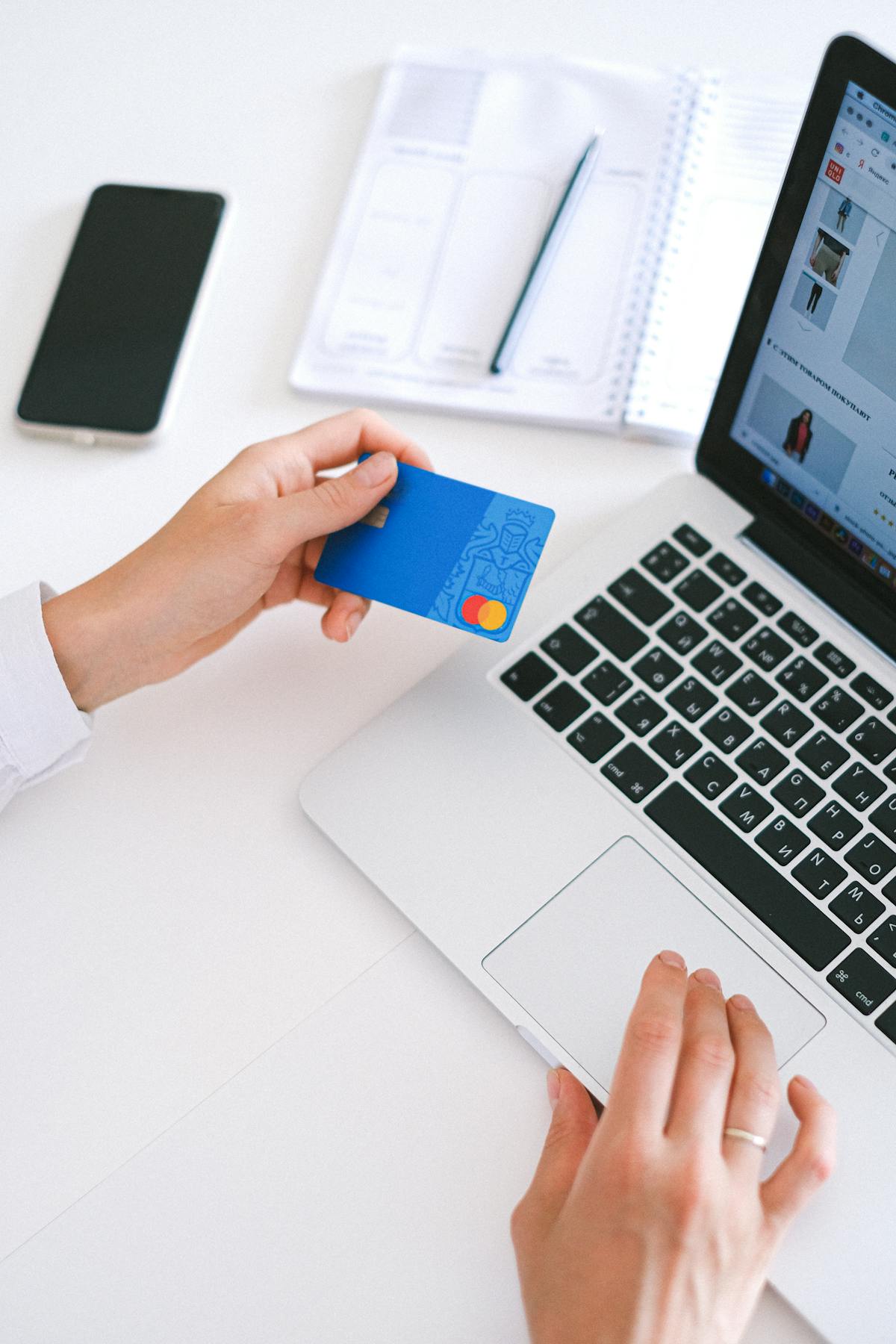
Por que os investidores recorrem à IA nos mercados de commodities?
O apelo da IA na negociação de commodities decorre da natureza desses mercados. As commodities são negociadas em bolsas globais e respondem a um fluxo constante de informações: dados de oferta e demanda, clima, geopolítica, flutuações cambiais e muito mais. Para um operador humano, isso cria dois desafios persistentes: a impossibilidade de monitorar tudo continuamente e o desgaste emocional de reagir a preços que oscilam rapidamente. Os sistemas de IA são projetados para lidar com ambos.
Até 2026, as ferramentas de aprendizado de máquina poderão processar grandes volumes de dados de preços, relatórios de estoque, notícias e outras informações muito mais rapidamente do que uma pessoa analisando-os manualmente. Isso não significa que elas prevejam o futuro. Significa que elas podem aplicar um conjunto consistente de regras em larga escala e com rapidez, algo que muitos traders têm dificuldade em fazer manualmente, especialmente quando o medo ou a euforia tomam conta. Se essa consistência resultar em ganhos ou perdas depende inteiramente da estratégia, das condições de mercado e da disciplina da pessoa que configura a ferramenta.
A importância da utilização da IA no comércio de commodities
Existem diversas razões legítimas pelas quais os investidores adotam ferramentas de IA nos mercados de commodities. Compreendê-las claramente ajuda a distinguir a utilidade real da mera propaganda.
Velocidade e escala da análise
Os sistemas de IA podem monitorar diversas commodities e fontes de dados simultaneamente, identificando condições que se alinham a uma estratégia predefinida. Um ser humano não consegue acompanhar os mercados de energia, metais e agrícolas ao mesmo tempo, enquanto também monitora o clima e as notícias. Para os investidores que desejam diversificar sua atenção em vários mercados, essa amplitude pode ser uma vantagem prática, desde que a estratégia subjacente seja sólida.
Redução da tomada de decisões emocionais
Talvez o benefício mais citado seja a disciplina emocional. Muitas perdas no mercado financeiro não decorrem de análises deficientes, mas sim de execuções ruins motivadas por pânico, ganância ou abandono de um plano no pior momento. Um sistema automatizado segue suas regras sem hesitar. Ele não moverá um stop-loss por esperança nem perseguirá uma alta por medo de perder a oportunidade. Essa consistência mecânica pode ser valiosa, embora tenha dois lados: uma estratégia falha será executada com a mesma intensidade que uma boa estratégia.
Monitoramento 24 horas por dia
Os mercados de commodities e as notícias que os influenciam operam em diferentes fusos horários e 24 horas por dia. Ferramentas de IA podem monitorar posições e condições continuamente, agindo com base em gatilhos predefinidos mesmo enquanto o trader está dormindo ou ausente. Para pessoas que não podem ou não desejam ficar olhando para telas o dia todo, isso representa uma conveniência significativa.
Eficiência de tempo
A automação pode liberar um tempo considerável. Em vez de abrir e ajustar ordens manualmente, o trader pode definir uma estratégia, configurar parâmetros de risco e deixar que o sistema cuide da execução. Isso atrai especialmente aqueles que consideram o trading uma atividade secundária, conciliando-o com outros compromissos. Plataformas como a CommoTradeAI se posicionam em torno dessa conveniência, oferecendo execução automatizada para que os usuários não precisem de supervisão manual constante.
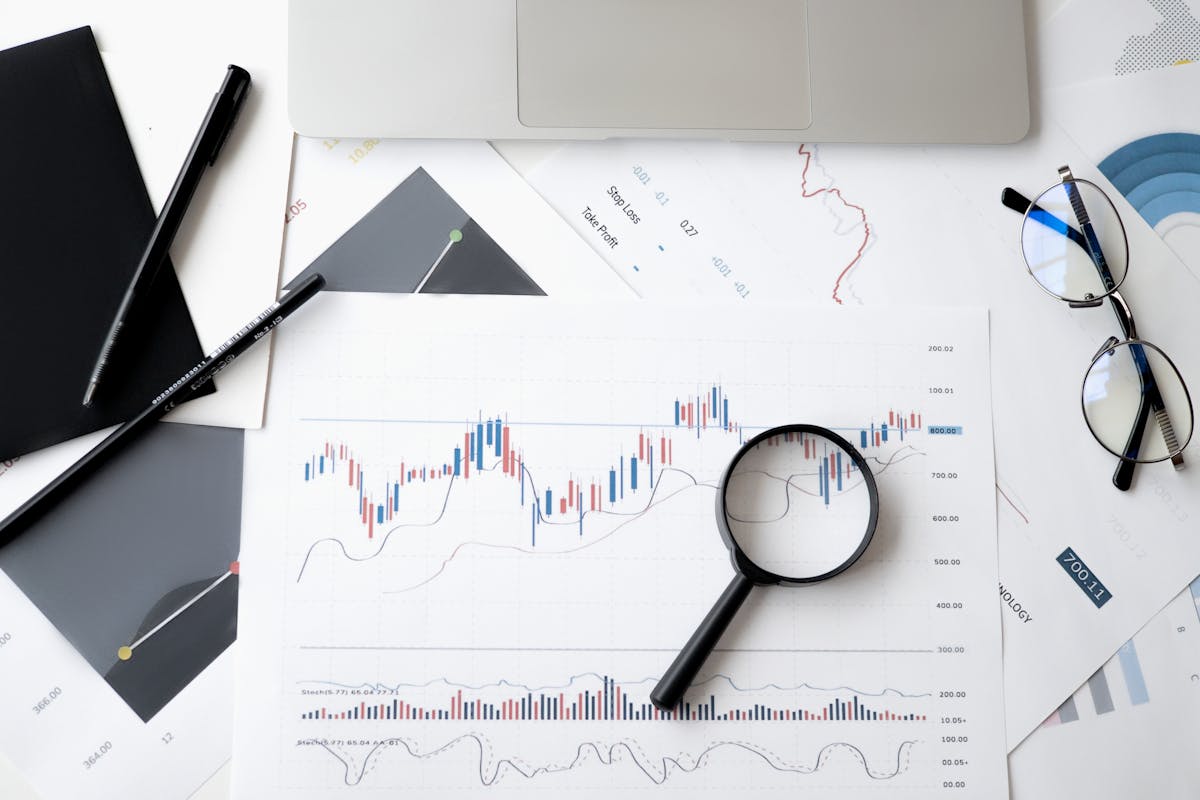
Os argumentos contrários: riscos que você deve ponderar.
Uma avaliação verdadeiramente equilibrada exige que se dê igual peso às desvantagens. A negociação de commodities com IA não é um atalho para retornos confiáveis, e vários riscos merecem atenção séria.
Sem garantias e sem bola de cristal.
Os modelos de IA aprendem com dados históricos, mas os mercados de commodities mudam e são propensos a choques, desde secas a crises geopolíticas, que podem ter pouca semelhança com o passado. Uma estratégia que teve bom desempenho em condições anteriores pode falhar quando a volatilidade ou a dinâmica da oferta mudam. Nenhum grau de sofisticação elimina a incerteza fundamental desses mercados. Qualquer ferramenta ou mensagem que prometa lucros garantidos ou consistentes deve ser encarada com profundo ceticismo.
Custos e taxas
As ferramentas de negociação com IA raramente são gratuitas, e os custos podem corroer os retornos. Taxas de assinatura, taxas de desempenho e os custos de negociação e spread da corretora subjacente se acumulam. Uma estratégia que parece lucrativa no papel pode ser bem menos rentável depois de descontados os custos. Antes de se comprometer, vale a pena calcular o custo total esperado e questionar se a ferramenta precisa superar uma abordagem mais simples apenas para atingir o ponto de equilíbrio.
Dependência excessiva e perda de compreensão
Delegar decisões a um algoritmo pode levar os traders a deixarem de entender o que realmente está acontecendo. Quando um sistema se comporta de forma inesperada durante um choque de mercado, um usuário que não compreende sua lógica pode ficar paralisado ou reagir de forma inadequada. A automação deve apoiar o julgamento do trader, não substituí-lo completamente.
Riscos de segurança e da conta
Conectar uma ferramenta automatizada a uma conta de negociação geralmente envolve conceder acesso. Isso introduz considerações de segurança: as permissões concedidas, a reputação do provedor e as medidas de segurança implementadas são importantes. Os usuários devem restringir as permissões ao mínimo necessário, evitar conceder direitos de saque sempre que possível e pesquisar cuidadosamente as práticas de segurança da plataforma antes de conectar fundos.
Custo versus valor: fazendo as contas
A decisão sobre se a IA vale a pena depende, em última análise, de um cálculo de custo-benefício específico para cada pessoa. As perguntas relevantes incluem: Quanto custa a ferramenta por mês ou por transação? Qual retorno ela precisaria gerar apenas para cobrir esses custos? Como isso se compara a uma abordagem mais simples, que exige menos esforço e tem taxas menores?
Para um trader com uma conta pequena, as taxas mensais fixas podem representar uma grande porcentagem do capital, tornando difícil para qualquer ferramenta justificar seu custo. Para um trader com mais capital e uma estratégia bem definida, a mesma taxa pode ser insignificante. Não existe uma resposta universal, e é exatamente por isso que a decisão deve ser pessoal e baseada em números reais, e não em suposições otimistas.
Quem se beneficia mais e quem deve ter cautela?
As ferramentas de negociação de commodities com IA não são igualmente adequadas para todos. Identificar o seu perfil pode evitar erros dispendiosos.
Quem pode se beneficiar
Traders que já entendem os mercados de commodities, possuem uma estratégia testada e desejam automatizar sua execução podem encontrar um valor genuíno. Aqueles que têm dificuldade com o controle emocional, mas que, de resto, tomam decisões acertadas, podem se beneficiar da consistência proporcionada pela automação. Indivíduos ocupados que desejam ter acesso a estratégias ativas sem precisar ficar olhando para telas o dia todo também se encaixam perfeitamente. Para esses usuários, uma plataforma como a CommoTradeAI pode servir como uma camada de execução conveniente, desde que mantenham expectativas realistas e controles de risco rigorosos.
Quem deve ter cautela
Iniciantes completos que ainda não entendem gestão de riscos, aproveitar, Ou seja, é preciso ter cautela redobrada com o comportamento básico do mercado. Entregar capital a um sistema automatizado sem entender como ele pode gerar perdas é uma receita para surpresas desagradáveis. Da mesma forma, qualquer pessoa que negocie com dinheiro que não pode se dar ao luxo de perder, ou qualquer pessoa atraída por promessas de retornos garantidos, deve recuar. A IA não altera a verdade fundamental de que a negociação de commodities acarreta um risco real de perda total ou parcial do capital investido.
Uma lista de verificação prática antes de decidir.
Se você está considerando uma ferramenta de negociação de commodities com IA, uma breve lista de verificação pode ajudá-lo a tomar uma decisão mais informada. Comece esclarecendo seus objetivos e sua tolerância ao risco. Pesquise o histórico, a transparência e as práticas de segurança do provedor. Calcule o custo total e o retorno necessário para justificar o investimento. Comece com um valor pequeno que você possa se dar ao luxo de perder e utilize qualquer modo de demonstração ou simulação de negociação disponível inicialmente. Restrinja as permissões da conta e nunca conceda acesso a saques, a menos que seja absolutamente necessário. Por fim, continue aprendendo para que você possa entender e supervisionar o que a ferramenta está fazendo em seu nome.
Entendendo o que realmente significa "negociação com IA"
Uma das dificuldades em responder se a negociação de commodities com IA vale a pena é que o termo abrange um amplo espectro de ferramentas. Em uma extremidade, encontram-se sistemas simples baseados em regras que executam instruções predefinidas, como comprar quando um preço ultrapassa um determinado limite. Na outra extremidade, estão sistemas que utilizam aprendizado de máquina para adaptar seu comportamento com base em padrões nos dados. O marketing muitas vezes obscurece essas distinções, rotulando tudo como "IA" para parecer sofisticado.
Para um potencial usuário, o tipo de sistema oferecido é crucial. Uma ferramenta transparente e baseada em regras pode ser compreendida, testada e ajustada. Um modelo complexo e opaco, que até mesmo seus criadores têm dificuldade em explicar, é mais difícil de confiar e de supervisionar. Ao avaliar uma plataforma, questionar como o sistema toma decisões e se essa lógica é explicável é uma das perguntas mais úteis que você pode fazer.
Essa distinção também afeta as expectativas. Uma ferramenta baseada em regras faz exatamente o que você manda, nada mais, nada menos, o que torna seu comportamento previsível, porém limitado. Um sistema de aprendizado pode se adaptar a condições variáveis, mas também pode se desviar de maneiras que surpreendem o usuário. Nenhum dos dois é inerentemente melhor; eles atendem a necessidades diferentes e a níveis diferentes de familiaridade com a complexidade.
A psicologia por trás do apelo
Vale a pena refletir sobre por que as ferramentas de negociação com IA atraem tanto interesse, pois entender a psicologia por trás delas ajuda a evitar expectativas irreais. Negociar é emocionalmente desgastante. Ver uma posição em uma commodity se mover contra você gera estresse genuíno, e o desejo de escapar desse desconforto é poderoso. A promessa de um sistema que negocia de forma calma e racional em seu nome é, em parte, a promessa de alívio desse fardo emocional.
Essa promessa é real até certo ponto, mas também pode ser sedutora de maneiras prejudiciais. A esperança de que uma máquina tenha sucesso onde a disciplina de alguém falhou pode levar as pessoas a confiarem demais na automação e a investirem mais do que deveriam. Uma relação saudável com essas ferramentas as trata como instrumentos que exigem supervisão constante, e não como máquinas de fazer dinheiro autônomas que justificam baixar a guarda. Reconhecer o apelo emocional é, em si, uma forma de gestão de riscos.
Existe também uma tendência a imaginar a IA como uma assistente inteligente com conhecimento especial dos mercados. Na realidade, trata-se de um mecanismo estatístico que aplica regras matemáticas aos dados. Manter esse modelo mental preciso ajuda o trader a ter uma visão realista do que a ferramenta pode e não pode fazer.
Expectativas realistas e equívocos comuns
Talvez o fator mais importante para decidir se vale a pena investir em negociação de commodities com IA seja estabelecer expectativas realistas. Materiais de marketing, depoimentos e capturas de tela de grandes lucros criam a impressão de que obter lucros consistentes é normal e alcançável. Na realidade, negociar com lucro é difícil, e muitos participantes perdem dinheiro ao longo do tempo, com ou sem automação.
Um equívoco comum é que a IA de alguma forma "sabe" para onde os preços das commodities vão. Ela não sabe. Ela identifica padrões estatísticos que se mantiveram no passado e aposta que eles continuarão. Quando isso acontece, os resultados podem ser bons; quando não, seguem-se perdas. Outro equívoco é que uma tecnologia mais sofisticada significa automaticamente melhores resultados. Sofisticação pode igualmente significar maior complexidade, mais suposições implícitas e mais maneiras de as coisas darem errado.
Abordar o trading com IA com expectativas realistas, tratando quaisquer ganhos como incertos e qualquer ferramenta como falível, não é pessimismo. É a base de uma gestão de risco sensata e a mentalidade com maior probabilidade de levar a resultados com os quais você possa conviver.
Como testar uma ferramenta antes de investir dinheiro de verdade
Antes de investir capital, é importante avaliar se uma determinada ferramenta de IA merece sua confiança. Muitas plataformas oferecem modos de demonstração ou simulação de negociação que permitem operar sem usar fundos reais. Utilizar esses modos para observar o comportamento do sistema em diferentes condições de mercado, incluindo períodos de volatilidade, proporciona informações valiosas que os materiais de marketing não conseguem transmitir.
Quando os testes em tempo real se tornarem apropriados, começar com um valor pequeno, uma quantia cuja perda não afetaria suas finanças, permite observar o comportamento real, incluindo o impacto de taxas e atrasos. Também é prudente manter registros detalhados do que a ferramenta fez, por que e qual foi o resultado. Com o tempo, esses registros revelam se o sistema realmente agrega valor ou apenas aumenta o custo e a complexidade. A paciência nesta fase protege contra o erro custoso de expandir uma estratégia que ainda não foi comprovada em condições reais.
Os desafios únicos dos mercados de commodities
Ao avaliar se a IA vale a pena ser usada especificamente para commodities, é útil reconhecer o que diferencia esses mercados de ações ou outros ativos. As commodities estão ligadas ao mundo físico de maneiras que introduzem riscos e complexidades singulares. Uma colheita pode falhar, uma rota de transporte pode ser interrompida, uma região produtora pode ser afetada por conflitos e a capacidade de armazenamento pode se esgotar ou esvaziar. Esses fatores tangíveis criam tanto oportunidades quanto perigos que um sistema de IA deve, de alguma forma, levar em consideração.
Essa dimensão física significa que alguns dos fatores mais significativos que influenciam os preços — eventos climáticos extremos, acontecimentos geopolíticos e choques repentinos na oferta — são justamente os tipos de eventos mais difíceis de prever e menos representados nos dados históricos de treinamento. Um modelo de IA pode incorporar previsões e reagir rapidamente às notícias, mas não consegue antecipar com segurança uma geada, um embargo ou uma decisão inesperada de produção. Isso nos lembra, de forma contundente, que mesmo as ferramentas mais avançadas operam dentro de limites rígidos quando aplicadas aos mercados de commodities.
Para o potencial usuário, a implicação prática é que a IA deve ser vista como uma forma de aplicar uma estratégia disciplinada de maneira eficiente, e não como um meio de superar eventos genuinamente imprevisíveis. Aqueles que compreendem essa distinção estão muito mais bem preparados para usar essas ferramentas com bom senso do que aqueles que esperam que elas ofereçam uma capacidade de previsão que nenhum sistema pode possuir. Manter essa perspectiva no centro de qualquer decisão é uma das salvaguardas mais valiosas que um trader pode adotar.
Perguntas frequentes (FAQ)
A negociação de commodities com IA tem garantia de ser lucrativa?
Não. Nenhuma ferramenta legítima pode garantir lucros. A IA pode automatizar e aplicar uma estratégia de forma consistente, mas mercado de commodities Os resultados permanecem incertos e as perdas são sempre possíveis. Desconfie de qualquer plataforma que prometa retornos garantidos.
Preciso ter experiência em negociação para usar ferramentas de IA?
Embora algumas plataformas sejam comercializadas como fáceis para iniciantes, um conhecimento básico de commodities e gerenciamento de riscos é altamente recomendável. Sem ele, você pode não perceber quando algo está dando errado ou como reagir.
Qual o custo das ferramentas de IA para negociação de commodities?
Os custos variam bastante e podem incluir taxas de assinatura, taxas de desempenho e custos de negociação subjacentes. É importante somar todos esses valores e avaliar se a ferramenta pode, de fato, gerar receita suficiente para justificá-los.
É seguro conectar plataformas de negociação com IA à minha conta?
A segurança depende do provedor e de como você configura o acesso. Restrinja as permissões, evite conceder direitos de saque sempre que possível e pesquise a reputação e as medidas de segurança da plataforma antes de conectar fundos.
Será que a IA pode eliminar o risco de perder dinheiro?
Não. A IA pode ajudar na disciplina e na velocidade, mas não pode eliminar o risco de mercado. A negociação de commodities acarreta um risco real de perdas significativas, independentemente das ferramentas utilizadas.
A negociação com IA é melhor do que uma simples estratégia de comprar e manter?
Não necessariamente. Estratégias mais simples geralmente têm custos e esforços menores. A negociação ativa orientada por IA só faz sentido se conseguir superar consistentemente esse desempenho inicial após a aplicação de todas as taxas, o que está longe de ser garantido.
O que é CommoTradeAI?
A CommoTradeAI é um exemplo de plataforma que oferece negociação automatizada de commodities com auxílio de inteligência artificial. Ela é mencionada aqui como uma ilustração da categoria, não como uma recomendação. Como acontece com qualquer ferramenta desse tipo, os usuários em potencial devem fazer suas próprias pesquisas e considerar os riscos.
Conclusão: Vale a pena?
Então, vale a pena usar IA para negociação de commodities? A resposta honesta é: depende. Para traders experientes e disciplinados, com uma estratégia testada e expectativas realistas, as ferramentas de IA podem oferecer conveniência, consistência e economia de tempo genuínas. Para iniciantes, ou para qualquer pessoa que espere que a automação transforme a negociação em uma fonte de renda confiável, os riscos geralmente superam os benefícios. A IA é uma ferramenta, não uma garantia, e seu valor é inteiramente determinado pela forma como é usada.
Se você decidir explorar a negociação automatizada de commodities, aborde-a como abordaria qualquer decisão financeira: com cautela, com dinheiro que você possa perder e com uma compreensão clara tanto dos ganhos quanto das perdas. Você pode aprender mais sobre uma dessas plataformas automatizadas em [link para a plataforma]. CommoTradeAI, Mas trate-a, assim como todas as ferramentas semelhantes, com o mesmo cuidado e atenção.
Isenção de responsabilidade
Este artigo é fornecido apenas para fins informativos e educacionais gerais e não constitui aconselhamento financeiro, de investimento, comercial, jurídico ou tributário. Trata-se de conteúdo de parceiro/patrocinado e inclui um link patrocinado para CommoTradeAI.com. Nada aqui deve ser interpretado como uma recomendação para comprar, vender ou manter qualquer commodity, derivativo ou outro instrumento financeiro, ou para usar qualquer plataforma ou serviço específico.
A negociação de commodities é volátil e acarreta um risco substancial de perda, incluindo a perda potencial de todo o seu investimento. A alavancagem, quando utilizada, pode ampliar tanto os ganhos quanto as perdas. Ferramentas automatizadas e baseadas em IA não eliminam esse risco e podem falhar ou apresentar comportamentos inesperados. O desempenho passado não é garantia de resultados futuros. Você nunca deve investir dinheiro que não pode se dar ao luxo de perder.
Sempre faça sua própria pesquisa (DYOR) e considere buscar aconselhamento de um profissional financeiro qualificado e independente antes de tomar qualquer decisão de investimento ou negociação. O autor e a editora não se responsabilizam por quaisquer perdas ou danos decorrentes da utilização das informações apresentadas neste artigo.
 English
  German
  Polish
  French
  German (Switzerland)
  Croatian
  Czech
Czech  Italian
  Spanish
  Swedish
  Portuguese (Portugal)
  Portuguese (Brazil)
  Japanese
  Thai
Thai  Danish