
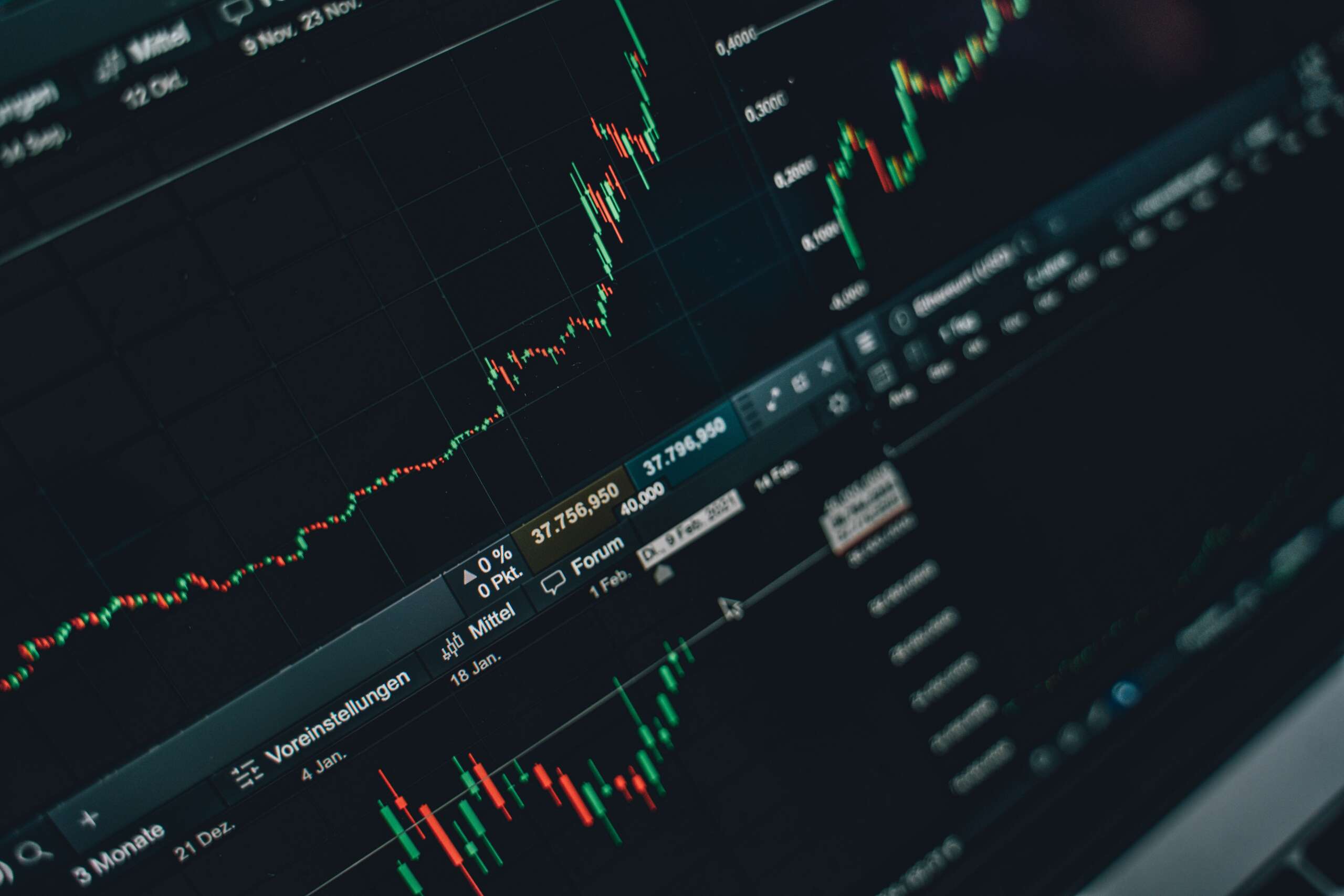
O número de plataformas que oferecem IAautomatizada baseada em IA cresceu acentuadamente e, para qualquer pessoa que investigue esta área, pode ser difícil distinguir diferenças significativas do verniz do marketing. Esta visão geral pretende mapear o panorama em 2026 de uma forma neutra e prática: as principais categorias de plataformas, as funcionalidades que realmente importam ao compará-las, as questões regulatórias e de segurança a colocar e os sinais de alerta a que vale a pena estar atento. Foi escrita para o ajudar a avaliar as opções por si próprio, e não para o orientar para um produto específico.
O Que Conta Como Plataforma de Trading Automatizado com IA
O termo é usado de forma vaga, por isso ajuda defini-lo antes de comparar produtos. De um modo geral, trata-se de serviços de software que utilizam alguma forma de aprendizado de máquina ou análises avançadas para auxiliar, ou automatizar totalmente, as decisões de negociação e investimento. O grau de automatização varia enormemente. Num extremo estão as ferramentas que se limitam a analisar dados e apresentar sugestões, deixando todas as decisões consigo. No outro estão os sistemas que colocam ordens automaticamente segundo a sua própria lógica, com intervenção humana limitada. Saber onde se situa uma plataforma neste espectro é a coisa mais importante a apurar, porque determina quanto controlo e responsabilidade mantém.
As Principais Categorias de Plataformas
Embora nenhuma taxonomia seja perfeita, a maioria das ofertas enquadra-se em alguns grupos reconhecíveis. Compreender estas categorias torna mais fácil comparar o que é comparável, em vez de avaliar produtos fundamentalmente diferentes uns em relação aos outros.
Consultores robóticos
Os consultores robóticos automatizam a construção e o reequilíbrio de carteiras, normalmente em torno de um investimento diversificado e de longo prazo, em vez de trading ativo. Habitualmente questionam sobre os seus objetivos e a sua tolerância ao risco e, em seguida, alocam os fundos em conformidade e ajustam-nos ao longo do tempo. Tendem a ter custos mais baixos e a exigir menos manutenção, e muitos operam ao abrigo de regulamentação financeira estabelecida. A sua componente de AI é frequentemente modesta, centrada na alocação e no reequilíbrio, em vez de prever movimentos de preço de curto prazo.
Ferramentas de sinais e de análise
Estas plataformas geram ideias de negociação, alertas ou pontuações, mas deixam a execução ao seu critério. Servem os utilizadores que querem ajuda na pesquisa e na triagem, mantendo ao mesmo tempo o controlo total sobre as decisões. Como o ser humano continua no comando, a qualidade dos resultados depende em grande medida de como os sinais são interpretados e postos em prática. O risco aqui é confiar demasiado nos alertas sem compreender o seu fundamento.
Bots de trading automatizado
Os bots de trading executam estratégias automaticamente, ligando-se frequentemente a uma corretora através de uma interface. Atraem utilizadores que procuram uma operação sem intervenção manual, mas também concentram o risco: uma estratégia defeituosa ou uma avaria pode atuar repetida e rapidamente antes de alguém intervir. Os bots exigem uma configuração cuidadosa, monitorização contínua e uma compreensão clara da estratégia que estão a executar.
Plataformas de copy trading e social trading
O copy trading permite aos utilizadores espelhar as operações de outros, por vezes orientados por classificações de AI sobre que traders seguir. Reduz a barreira do conhecimento, mas introduz novos riscos: o desempenho passado de um trader seguido não prevê resultados futuros, e os incentivos nem sempre podem estar alinhados com os seus. A transparência sobre como os líderes são selecionados e remunerados é essencial aqui.
Características Essenciais a Comparar
Depois de conhecer a categoria, o passo seguinte é comparar características específicas e substanciais, e não a apresentação superficial. Os fatores abaixo tendem a separar as ferramentas fiáveis das fracas.
Transparência da metodologia
Uma plataforma fiável explica, pelo menos em termos gerais, como gera as suas decisões e que dados utiliza. Apelos vagos a uma inteligência proprietária sem substância por detrás são motivo de cautela. Não precisa do código-fonte, mas deve conseguir compreender a abordagem geral e as suas limitações.
Comissões e custo total
Os custos surgem sob muitas formas: subscrições, spreads, comissões, taxas de desempenho e encargos de levantamento. Como estes se compõem ao longo do tempo, uma diferença aparentemente pequena pode afetar significativamente os resultados líquidos. Procure sempre a tabela completa de comissões e desconfie de plataformas que tornam os custos difíceis de encontrar ou compreender.
Qualidade e cobertura dos dados
A utilidade de qualquer ferramenta de IA depende dos dados que a alimentam. Considere que mercados e instrumentos são abrangidos, quão atempados são os dados e se a plataforma é transparente quanto às suas fontes. Dados deficientes ou desatualizados comprometem até os modelos mais sofisticados.
Controlo, personalização e substituições
As boas plataformas permitem-lhe definir limites, estabelecer parâmetros de risco e intervir quando necessário. A capacidade de pausar, anular ou ajustar o comportamento automatizado é uma importante funcionalidade de segurança, sobretudo em condições voláteis, quando a automação cega pode ser perigosa.
Suporte, fiabilidade e segurança
Um apoio ao cliente reativo, um sólido historial de disponibilidade e fortes práticas de segurança importam mais do que pode parecer à primeira vista. Uma plataforma que gere os seus fundos ou se liga à sua corretora tem de proteger rigorosamente os seus dados e o seu acesso. Procure provas de medidas de segurança e um historial de fiabilidade.
Verificações de Regulação e Segurança
O estatuto regulatório varia muito neste mercado e entre jurisdições. Alguns fornecedores são licenciados e supervisionados por autoridades financeiras; outros operam com pouca fiscalização. Antes de comprometer fundos, confirme se e onde uma plataforma está regulada, que proteções isso lhe confere e se está autorizada a servir utilizadores no seu país. A ausência de informação regulatória clara é, por si só, um sinal significativo.
É também prudente verificar como uma plataforma gere os fundos dos clientes. Os serviços de boa reputação normalmente mantêm o dinheiro dos clientes separado dos fundos operacionais e são transparentes quanto às modalidades de custódia. As análises independentes, a duração do historial de uma plataforma e a clareza da sua documentação legal contribuem, todas, para uma imagem mais completa. Nenhuma destas verificações garante segurança, mas ignorá-las aumenta riscos evitáveis.
Exemplos Representativos ao Longo do Espectro
Em vez de classificar produtos, é mais útil reconhecer que diferentes plataformas servem diferentes necessidades. Um investidor de longo prazo que procura simplicidade pode inclinar-se para um robo-advisor regulado. Um trader experiente que pretende apoio de pesquisa poderá preferir uma ferramenta de sinais e análises. Quem procura automatização vai olhar para os bots, ao passo que um principiante curioso sobre seguir outros pode considerar o copy trading, com todas as suas ressalvas.
StockFusionAI.com, o patrocinador deste artigo, é um exemplo de uma plataforma que oferece funcionalidades de negociação automatizada baseadas em IA. É aqui apresentada como uma opção entre muitas, e não como uma escolha recomendada ou superior. Tal como acontece com todas as plataformas mencionadas em qualquer categoria, a abordagem responsável é avaliá-la com base nos mesmos critérios neutros utilizados aqui: transparência, custo, qualidade dos dados, controlo, regulação e apoio. Um patrocínio não isenta uma plataforma deste escrutínio, e os leitores devem ponderá-la juntamente com as alternativas concorrentes antes de tirar qualquer conclusão.
Sinais de Alerta Comuns
Certos sinais devem suscitar cautela acrescida, por mais sofisticada que uma plataforma pareça. Promessas de retornos garantidos ou invulgarmente elevados são talvez o aviso mais claro, pois nenhuma ferramenta legítima pode garantir lucros nos mercados. Táticas de pressão que criam urgência, estruturas de comissões opacas, a ausência de informação regulatória verificável e a relutância em explicar como o sistema funciona merecem todas ceticismo. O mesmo se aplica a testemunhos irrealistas, dificuldade em levantar fundos e marketing agressivo que enfatiza a riqueza em detrimento do risco. Deparar-se com vários destes sinais em conjunto é uma forte razão para recuar.
Como Fazer a Sua Própria Comparação
Um processo simples e repetível ajuda-o a comparar opções de forma objetiva. Comece por definir o seu próprio objetivo, horizonte temporal e tolerância ao risco, uma vez que estes determinam qual a categoria que sequer faz sentido. Selecione algumas plataformas dentro dessa categoria e depois pontue cada uma quanto à transparência, custo total, regulação, controlo, qualidade dos dados e apoio. Leia atentamente análises independentes e os próprios termos legais da plataforma, e teste qualquer versão gratuita ou demonstração antes de investir dinheiro real. Ao longo de todo o processo, trate as alegações de marketing como hipóteses a verificar e não como factos a aceitar, e dê maior peso àquilo que uma plataforma está disposta a divulgar do que àquilo que apenas afirma.
Perguntas frequentes
As plataformas de trading automatizado com IA são seguras?
A segurança varia significativamente. As plataformas reguladas e transparentes, com práticas de segurança robustas, apresentam geralmente menor risco do que as não reguladas, mas nenhuma plataforma elimina o risco de mercado ou a possibilidade de perda. A devida diligência é essencial antes de confiar os seus fundos a qualquer serviço.
Que tipo de plataforma é melhor para iniciantes?
Não há uma resposta universal. Muitos principiantes acham os robo-advisors regulados ou as ferramentas analíticas simples mais fáceis de compreender do que os bots totalmente automatizados, mas a escolha certa depende dos seus objetivos, conhecimentos e vontade de aprender. Começar de forma simples é, muitas vezes, sensato.
Estas plataformas garantem lucros?
Não. Nenhuma plataforma legítima pode garantir lucros. Qualquer serviço que afirme fazê-lo deve ser tratado como um sério sinal de alerta e não como uma oportunidade.
Qual a importância da regulação?
Muito. A regulamentação proporciona supervisão e, em alguns casos, proteções para os seus fundos. Confirmar o estatuto regulamentar de uma plataforma e se está autorizada na sua jurisdição é um passo básico, mas importante.
Devo utilizar mais do que uma plataforma?
Alguns utilizadores fazem-no, para aceder a diferentes funcionalidades ou para diversificar. Contudo, mais plataformas significam também mais contas, custos e complexidade a monitorizar. Que isto faça ou não sentido depende das suas necessidades e da sua capacidade de as gerir de forma responsável.
Conclusão
O mercado de plataformas de negociação automatizada com IA em 2026 é amplo e desigual, indo de serviços bem regulados e transparentes a outros opacos e arriscados. A forma mais fiável de o navegar é identificar a categoria que corresponde aos seus objetivos, comparar candidatos com base em funcionalidades substantivas, verificar a regulação e a segurança e manter-se atento aos sinais de alerta. Nenhuma plataforma serve a todos, e nenhuma elimina os riscos fundamentais dos mercados.
Se está a construir uma lista restrita, pode incluir StockFusionAI.com entre as opções que examina, juntamente com os seus concorrentes, e avalie cada uma face aos critérios neutros definidos acima, e não apenas face ao marketing.
Como Estas Plataformas se Ligam ao Seu Dinheiro
Um detalhe que os principiantes costumam ignorar é a mecânica de como uma plataforma interage de facto com os fundos e os mercados. Algumas ferramentas nunca tocam no seu dinheiro; fornecem análises ou sinais e o utilizador age sobre eles através de uma conta de corretagem separada que controla. Outras ligam-se a uma corretora através de uma interface, colocando ordens em seu nome enquanto a conta subjacente, e os fundos nela contidos, permanecem com o corretor regulado. Um terceiro grupo detém os fundos diretamente, o que concentra muito mais confiança e risco num único fornecedor.
A distinção importa porque altera quem detém o seu dinheiro e que proteções se aplicam. Uma plataforma que se limita a enviar instruções a um corretor regulado expõe-o a menos risco de custódia do que uma que assume ela própria a custódia dos seus fundos. Antes de ligar qualquer conta, vale a pena compreender exatamente que acesso uma plataforma solicita, se esse acesso pode ser limitado ou revogado, e o que acontece às posições abertas se o serviço falhar ou se decidir sair. A clareza sobre estes pontos é a marca de uma plataforma bem gerida.
O Papel dos Backtests e das Alegações de Desempenho
Muitas plataformas exibem resultados históricos impressionantes para atrair utilizadores. Embora os dados de desempenho possam ser informativos, merecem uma interpretação cuidadosa. Os resultados de backtesting mostram como uma estratégia se teria comportado com dados passados, o que não é o mesmo que o seu desempenho em condições futuras e desconhecidas. Tais simulações podem ser, inadvertida ou deliberadamente, otimizadas para parecerem favoráveis, e raramente captam o efeito total dos custos, do slippage e da execução em condições reais.
Quando se deparar com números de desempenho, pergunte se são reais ou simulados, se incluem todos os custos, durante que período foram medidos e se foram verificados de forma independente. Um histórico curto durante um mercado favorável diz-lhe pouco sobre a resiliência durante as quedas. Um ceticismo saudável em relação ao marketing de desempenho não é cinismo; é uma proteção básica contra ser induzido em erro por números apresentados de forma seletiva.
Adequar uma Plataforma ao Seu Perfil de Investidor
A plataforma certa tem menos que ver com qual é objetivamente a melhor e mais com qual se adequa à sua situação. Vários fatores moldam essa adequação, e ser honesto sobre eles evita incompatibilidades dispendiosas.
A sua experiência e conhecimento
Uma ferramenta complexa e altamente configurável pode sobrecarregar um principiante e levar a erros, enquanto uma demasiado simplificada pode frustrar um utilizador experiente. Escolha uma plataforma cuja complexidade corresponda ao seu nível atual de compreensão e esteja disposto a evoluir para ferramentas mais avançadas apenas à medida que o seu conhecimento se aprofunda.
O tempo e a atenção de que dispõe
Mesmo os sistemas automatizados requerem supervisão. Se tem pouco tempo para acompanhar a atividade, uma ferramenta conservadora e de baixa manutenção poderá adequar-se-lhe melhor do que um bot ativo que exige atenção frequente. Ser realista quanto à sua disponibilidade ajuda a evitar negligenciar um sistema que exige supervisão.
A sua tolerância ao risco e os seus objetivos
Uma ferramenta concebida para uma negociação ativa e de maior risco é pouco adequada a alguém que poupa de forma constante para um objetivo de longo prazo, e vice-versa. Alinhar a plataforma com os seus verdadeiros objetivos e com a sua capacidade emocional para suportar perdas é mais importante do que qualquer lista de funcionalidades.
Custos Que Erodem Discretamente os Rendimentos
Vale a pena deter-nos nos custos, porque são consistentemente subestimados. Para além das comissões de subscrição mais visíveis, os utilizadores podem enfrentar comissões de negociação, diferenciais entre compra e venda, encargos de conversão cambial, comissões de desempenho e impostos sobre os ganhos. Cada um destes reduz o resultado líquido e, em conjunto, podem transformar uma estratégia aparentemente lucrativa numa estratégia dececionante. A negociação frequente, que alguns sistemas automatizados incentivam, amplifica em particular os custos de transação.
Um hábito útil é estimar o custo anual total da utilização de uma plataforma como uma percentagem do capital envolvido e depois perguntar se o benefício esperado o justifica de forma realista. As plataformas que são transparentes e claras quanto a todos os custos merecem mais confiança do que aquelas que escondem comissões nas letras miudinhas ou apresentam apenas o número mais lisonjeiro. Compreender o quadro completo dos custos antes de avançar é uma das formas mais simples de proteger os seus retornos.
Os Limites da Automatização Que Deve Aceitar
Por mais capaz que uma plataforma pareça, a automação tem limites inerentes que nenhum grau de sofisticação elimina. Os modelos são construídos sobre pressupostos relativos ao comportamento dos mercados, e os mercados quebram periodicamente esses pressupostos de formas impossíveis de antecipar. Durante choques súbitos, os sistemas automatizados podem comportar-se de forma errática, executar a preços desfavoráveis ou amplificar a volatilidade se muitos sistemas reagirem de forma semelhante em simultâneo. Falhas técnicas, problemas de conectividade e erros de software acrescentam outras fontes de risco que existem independentemente dos movimentos do mercado.
Aceitar estes limites não é uma razão para evitar totalmente a automatização, mas é uma razão para a utilizar de forma ponderada. Os utilizadores sensatos mantêm salvaguardas significativas em vigor: limites de posição e de perda, a capacidade de intervir rapidamente e uma compreensão clara de como um sistema se comportará sob stress. Evitam também alocar mais capital a qualquer abordagem automatizada do que aquele que poderiam perder confortavelmente, reconhecendo que mesmo um sistema bem concebido pode falhar de formas que os seus criadores não previram.
Perguntas Que Vale a Pena Fazer a Qualquer Fornecedor
Antes de se comprometer com uma plataforma, uma breve lista de perguntas diretas pode revelar muito sobre a sua fiabilidade. Pergunte quem regula o fornecedor e em que jurisdições está autorizado a operar. Pergunte como são guardados e protegidos os seus fundos e o que lhes acontece se a empresa cessar a atividade. Peça uma discriminação completa de todos os custos em que poderá incorrer. Pergunte como o sistema toma decisões em termos gerais, como se comporta em mercados voláteis e que controlos tem para o limitar ou parar.
Por fim, pergunte se algum dos números de desempenho é em tempo real e verificado de forma independente, e solicite acesso a uma demonstração ou a uma versão gratuita para que possa observar a plataforma antes de arriscar capital. A qualidade e a transparência das respostas que recebe dizem-lhe muitas vezes tanto quanto as próprias respostas. Um fornecedor que responde de forma clara e sem evasivas é mais tranquilizador do que um que se esquiva, exagera ou se esconde atrás de jargão. Estas perguntas não custam nada e podem poupar-lhe despesas e arrependimentos consideráveis.
Construindo expectativas realistas
Talvez a coisa mais valiosa a trazer para qualquer comparação de plataformas seja uma mentalidade realista. As ferramentas de negociação automatizada com IA podem oferecer vantagens genuínas em eficiência, disciplina e capacidade de processar informação em escala, mas não são um caminho para retornos sem esforço ou garantidos. Os mercados continuam incertos, os custos são reais, e até os sistemas mais bem concebidos atravessam períodos de fraco desempenho. Encarar estas ferramentas como auxiliares de um processo ponderado, em vez de substitutos do discernimento, tende a produzir resultados mais saudáveis e menos surpresas desagradáveis.
Também ajuda encarar a decisão como contínua, e não pontual. Uma plataforma que hoje lhe convém pode tornar-se menos adequada à medida que os seus objetivos, conhecimentos ou circunstâncias mudam, e o próprio mercado continua a evoluir. Rever periodicamente se uma ferramenta continua a servi-lo bem, e se os seus custos continuam justificados pelos benefícios, mantém-no no controlo. O objetivo não é encontrar uma plataforma perfeita, que não existe, mas fazer uma escolha informada e deliberada e continuar a reavaliá-la com o mesmo cuidado.
 English
  German
  Polish
  French
  German (Switzerland)
  Croatian
  Czech
Czech  Italian
  Spanish
  Swedish
  Portuguese (Portugal)
  Portuguese (Brazil)
  Japanese
  Thai
Thai  Danish