
เนื้อหาที่ได้รับการสนับสนุน / เนื้อหาจากพันธมิตร. บทความนี้จัดทำขึ้นโดยความร่วมมือกับ CryptifyAutoX.com และมีลิงก์ผู้สนับสนุน บทความนี้มีวัตถุประสงค์เพื่อการศึกษาและให้ข้อมูลเท่านั้น และไม่ถือเป็นคำแนะนำทางการเงิน การลงทุน หรือการซื้อขาย โปรดอ่านข้อจำกัดความรับผิดชอบฉบับเต็มที่ท้ายบทความ.
ปัญญาประดิษฐ์ ได้เปลี่ยนจากการทดลองเฉพาะกลุ่มมาเป็นคุณสมบัติทั่วไปในชุดเครื่องมือของหลายๆ คน สกุลเงินดิจิทัล เทรดเดอร์ ตั้งแต่การสร้างสัญญาณไปจนถึงการดำเนินการอัตโนมัติอย่างเต็มรูปแบบ เครื่องมือที่ขับเคลื่อนด้วย AI ในปัจจุบันสัญญาว่าจะขจัดอารมณ์ ตรวจสอบตลาดตลอด 24 ชั่วโมง และตอบสนองได้เร็วกว่ามนุษย์คนใด แต่คำถามที่สมเหตุสมผลยังคงอยู่ และเป็นคำถามที่ควรพิจารณาอย่างรอบคอบก่อนที่จะลงทุนใดๆ คือ AI คุ้มค่าที่จะใช้สำหรับการซื้อขายคริปโตเคอร์เรนซีจริงหรือไม่?
คู่มือนี้จะพิจารณาคำถามดังกล่าวอย่างรอบด้านและเน้นการตัดสินใจ แทนที่จะขายความฝันเรื่องผลกำไรที่ได้มาอย่างง่ายดาย คู่มือนี้จะชั่งน้ำหนักผลประโยชน์ที่แท้จริงเทียบกับความเสี่ยงที่แท้จริง ตรวจสอบต้นทุนที่เกี่ยวข้อง และช่วยคุณตัดสินใจว่าเครื่องมือการซื้อขายด้วย AI เหมาะกับสถานการณ์ ระดับประสบการณ์ และความสามารถในการรับความสูญเสียของคุณหรือไม่ ตลอดทั้งคู่มือ เราจะอ้างอิงถึงแพลตฟอร์มต่างๆ เช่น CryptifyAutoX เป็นเพียงตัวอย่างหนึ่งในหลายๆ ตัวอย่าง โดยไม่ได้หมายความว่าเครื่องมือใดๆ จะสามารถขจัดความเสี่ยงโดยธรรมชาติของการซื้อขายสินทรัพย์ดิจิทัลที่มีความผันผวนได้.
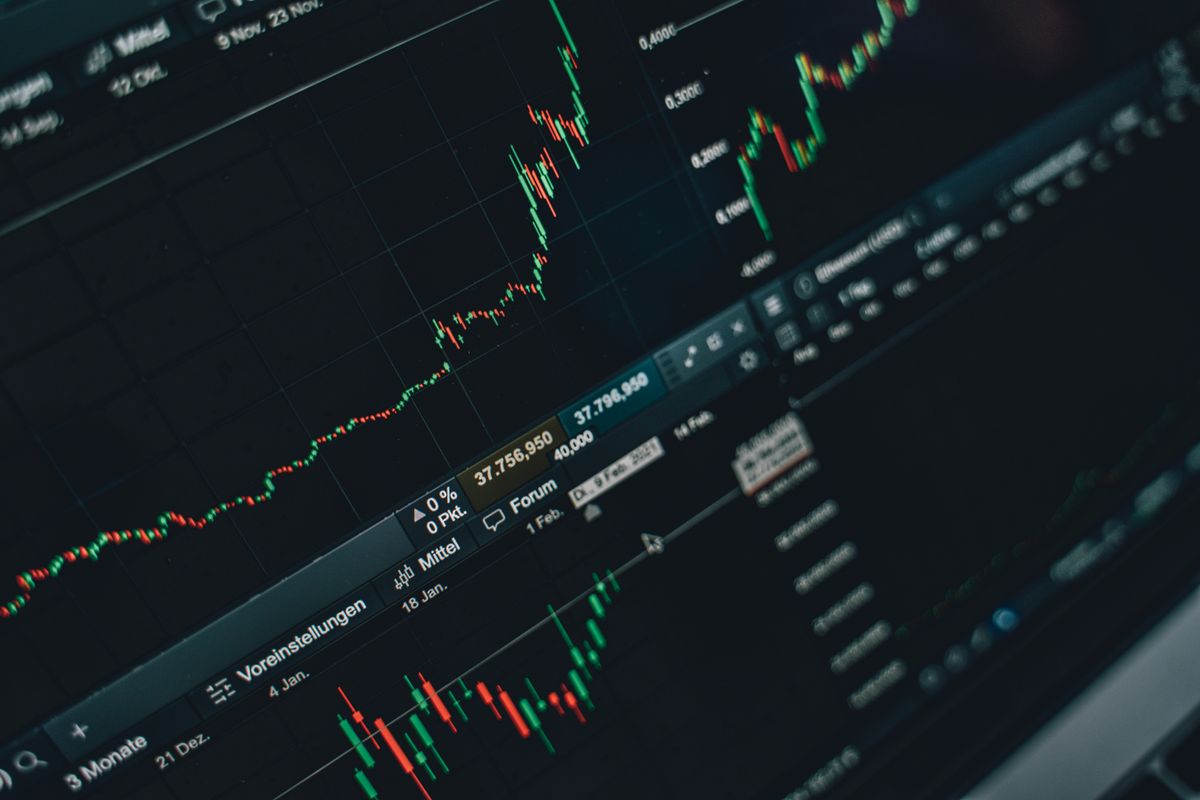
เหตุใดเทรดเดอร์จึงหันมาใช้ AI ในปี 2026
เสน่ห์ของ AI ในการซื้อขายคริปโตเคอร์เรนซีนั้นมีรากฐานมาจากธรรมชาติของตลาดเอง ตลาดคริปโตเคอร์เรนซีทำงานอย่างต่อเนื่อง ไม่ปิดทำการในวันหยุดสุดสัปดาห์หรือวันหยุดนักขัตฤกษ์ และราคาอาจเปลี่ยนแปลงอย่างรวดเร็วภายในไม่กี่นาที สำหรับนักเทรดที่เป็นมนุษย์ นี่ทำให้เกิดปัญหาต่อเนื่องสองประการ คือ ความเป็นไปไม่ได้ที่จะให้ความสนใจตลอดเวลา และความเครียดทางอารมณ์จากการตอบสนองต่อการเปลี่ยนแปลงราคาอย่างรวดเร็ว ระบบ AI ถูกออกแบบมาเพื่อแก้ไขปัญหาทั้งสองนี้.
ภายในปี 2026 โมเดลการเรียนรู้ของเครื่องจักรจะสามารถประมวลผลข้อมูลราคา ข้อมูลสมุดคำสั่งซื้อขาย และแม้แต่สัญญาณความรู้สึกจากข่าวสารและโซเชียลมีเดียได้เร็วกว่าการที่คนคนหนึ่งตรวจสอบกราฟด้วยตนเองอย่างมาก นี่ไม่ได้หมายความว่าพวกมันจะทำนายอนาคตได้ แต่หมายความว่าพวกมันสามารถใช้ชุดกฎเกณฑ์ที่สม่ำเสมอในระดับใหญ่และด้วยความเร็ว ซึ่งเป็นสิ่งที่เทรดเดอร์หลายคนทำได้ยาก โดยเฉพาะอย่างยิ่งเมื่อความกลัวหรือความตื่นเต้นเข้าครอบงำ.
สิ่งสำคัญคือต้องพูดเรื่องนี้อย่างตรงไปตรงมา AI ไม่ได้มอบเทพพยากรณ์ให้แก่เทรดเดอร์ แต่ให้ระบบอัตโนมัติและความสม่ำเสมอ ไม่ว่าความสม่ำเสมอนั้นจะนำมาซึ่งกำไรหรือขาดทุนนั้น ขึ้นอยู่กับกลยุทธ์ สภาพตลาด และวินัยของบุคคลที่ตั้งค่าเครื่องมืออย่างสิ้นเชิง.
เหตุผลที่ควรนำ AI มาใช้ในการซื้อขายคริปโตเคอร์เรนซี
มีเหตุผลที่ถูกต้องหลายประการที่เทรดเดอร์นำเครื่องมือ AI มาใช้ การทำความเข้าใจเหตุผลเหล่านี้อย่างชัดเจนจะช่วยแยกแยะประโยชน์ที่แท้จริงออกจากการโฆษณาชวนเชื่อได้.
ความเร็วและขอบเขตของการวิเคราะห์
ระบบ AI สามารถสแกนคู่สกุลเงินได้หลายสิบหรือหลายร้อยคู่พร้อมกัน โดยระบุรูปแบบหรือเงื่อนไขที่ตรงกับกลยุทธ์ที่กำหนดไว้ล่วงหน้า ซึ่งมนุษย์ไม่สามารถเฝ้าดูตลาดจำนวนมากขนาดนั้นได้ในเวลาเดียวกัน สำหรับเทรดเดอร์ที่ต้องการกระจายความสนใจไปยังสินทรัพย์หลายประเภท ความกว้างขวางนี้จึงเป็นข้อได้เปรียบในทางปฏิบัติ หากกลยุทธ์พื้นฐานนั้นมีความแข็งแกร่ง.
การตัดสินใจโดยใช้อารมณ์ลดลง
ประโยชน์ที่ถูกกล่าวถึงมากที่สุดอย่างหนึ่งคือวินัยทางอารมณ์ การขาดทุนในการซื้อขายจำนวนมากไม่ได้เกิดจากการวิเคราะห์ที่ผิดพลาด แต่เกิดจากการดำเนินการที่ไม่ดีอันเนื่องมาจากการขายอย่างตื่นตระหนก การซื้อมากเกินไปอย่างโลภ หรือการละทิ้งแผนในเวลาที่แย่ที่สุด ระบบอัตโนมัติจะปฏิบัติตามกฎของมันโดยไม่ลังเล มันจะไม่ขยับจุดหยุดขาดทุนด้วยความหวัง หรือไล่ตามราคาที่พุ่งขึ้นด้วยความกลัวว่าจะพลาดโอกาส ความสม่ำเสมอเชิงกลไกนี้มีคุณค่า แต่ก็มีข้อเสียเช่นกัน คือกลยุทธ์ที่ผิดพลาดก็จะถูกดำเนินการอย่างไม่ลดละเช่นเดียวกับกลยุทธ์ที่ดี.
การตรวจสอบตลอด 24 ชั่วโมง
เนื่องจากตลาดคริปโตไม่เคยหยุดนิ่ง โอกาสและความเสี่ยงจึงสามารถเกิดขึ้นได้ตลอดเวลา เครื่องมือ AI สามารถตรวจสอบสถานะและสภาวะตลาดได้อย่างต่อเนื่อง และดำเนินการตามสัญญาณเตือนที่กำหนดไว้ล่วงหน้า แม้ในขณะที่เทรดเดอร์กำลังนอนหลับหรือไม่อยู่ก็ตาม สำหรับคนที่ไม่มีเวลาหรือไม่ต้องการเฝ้าดูหน้าจอคอมพิวเตอร์ตลอดทั้งวัน นี่คือความสะดวกสบายที่มีความหมายอย่างยิ่ง.
ประสิทธิภาพด้านเวลา
ระบบอัตโนมัติสามารถช่วยประหยัดเวลาได้อย่างมาก แทนที่จะทำการตั้งค่าและปรับแต่งคำสั่งซื้อขายด้วยตนเอง เทรดเดอร์สามารถกำหนดกลยุทธ์ ตั้งค่าพารามิเตอร์ความเสี่ยง และปล่อยให้ระบบจัดการการดำเนินการได้ สิ่งนี้ดึงดูดใจเป็นพิเศษสำหรับผู้ที่มองการซื้อขายเป็นกิจกรรมเสริมควบคู่ไปกับงานประจำ แพลตฟอร์มอย่าง CryptifyAutoX วางตำแหน่งตัวเองโดยเน้นความสะดวกสบายนี้ โดยนำเสนอการดำเนินการอัตโนมัติเพื่อให้ผู้ใช้ไม่ต้องผูกติดกับการดูแลด้วยตนเองอย่างต่อเนื่อง.
ข้อโต้แย้ง: ความเสี่ยงที่คุณต้องพิจารณา
การประเมินที่สมดุลอย่างแท้จริงจำเป็นต้องให้ความสำคัญกับข้อเสียเท่าๆ กัน การซื้อขายด้วย AI ไม่ใช่ทางลัดสู่ผลตอบแทนที่เชื่อถือได้ และมีความเสี่ยงหลายประการที่ควรได้รับการพิจารณาอย่างจริงจัง.
ไม่มีการรับประกันและไม่มีลูกแก้ววิเศษ
โมเดล AI เรียนรู้จากข้อมูลในอดีต แต่ตลาดมีการเปลี่ยนแปลง กลยุทธ์ที่เคยได้ผลดีในสภาวะอดีตอาจล้มเหลวเมื่อความผันผวน สภาพคล่อง หรือโครงสร้างตลาดเปลี่ยนแปลงไป นี่เรียกว่าการปรับแต่งมากเกินไป (overfitting) กล่าวคือ โมเดลถูกปรับแต่งอย่างแม่นยำกับอดีตมากเกินไปจนไม่สามารถนำไปใช้กับอนาคตได้ ความซับซ้อนใดๆ ก็ไม่สามารถขจัดความไม่แน่นอนพื้นฐานของตลาดการเงินได้ เครื่องมือหรือข้อความทางการตลาดใดๆ ที่สัญญาว่าจะให้ผลกำไรที่รับประกันหรือสม่ำเสมอ ควรได้รับการพิจารณาด้วยความระมัดระวังอย่างยิ่ง.
ค่าใช้จ่ายและค่าธรรมเนียม
เครื่องมือซื้อขาย AI นั้นหาได้ยากในราคาประหยัด และค่าใช้จ่ายต่างๆ อาจลดทอนผลตอบแทนได้ ค่าธรรมเนียมการสมัครสมาชิก ค่าธรรมเนียมผลการดำเนินงาน และค่าธรรมเนียมการซื้อขายที่เรียกเก็บโดยตลาดหลักทรัพย์ ล้วนแล้วแต่รวมกันแล้วเป็นจำนวนมหาศาล กลยุทธ์ที่ดูเหมือนจะทำกำไรได้บนกระดาษ อาจทำกำไรได้น้อยลงมากหลังจากหักค่าใช้จ่ายแล้ว ก่อนที่จะตัดสินใจใช้ ควรคำนวณต้นทุนทั้งหมดที่คาดว่าจะเกิดขึ้น และถามตัวเองว่าเครื่องมือนี้จำเป็นต้องให้ผลตอบแทนสูงกว่าวิธีการซื้อและถือครองแบบธรรมดาหรือไม่ เพื่อให้ได้กำไรเท่าทุน.
การพึ่งพามากเกินไปและการสูญเสียความเข้าใจ
การมอบหมายการตัดสินใจให้แก่ระบบอัลกอริทึมอาจทำให้เทรดเดอร์ไม่เข้าใจสิ่งที่เกิดขึ้นจริง เมื่อระบบทำงานผิดปกติในช่วงที่ตลาดผันผวน ผู้ใช้ที่ไม่เข้าใจตรรกะของระบบอาจหยุดชะงักหรือตอบสนองได้ไม่ดี ระบบอัตโนมัติควรสนับสนุนการตัดสินใจของเทรดเดอร์ ไม่ใช่เข้ามาแทนที่ทั้งหมด.
ความเสี่ยงด้านความปลอดภัยและการดูแลรักษาความปลอดภัย
การเชื่อมต่อเครื่องมืออัตโนมัติเข้ากับแพลตฟอร์มแลกเปลี่ยนมักเกี่ยวข้องกับการให้สิทธิ์การเข้าถึง API ซึ่งนำมาซึ่งข้อควรพิจารณาด้านความปลอดภัย: สิทธิ์ที่ได้รับอนุญาต ชื่อเสียงของผู้ให้บริการ และมาตรการป้องกันที่มีอยู่ล้วนมีความสำคัญ ผู้ใช้ควรจำกัดสิทธิ์การเข้าถึง API ให้น้อยที่สุดเท่าที่จำเป็น หลีกเลี่ยงการให้สิทธิ์ถอนเงินหากเป็นไปได้ และศึกษาแนวทางการรักษาความปลอดภัยของแพลตฟอร์มอย่างละเอียดก่อนที่จะเชื่อมต่อเงินทุน.
ต้นทุนเทียบกับมูลค่า: คำนวณให้ละเอียด
การตัดสินใจว่า AI คุ้มค่าหรือไม่นั้น สุดท้ายแล้วขึ้นอยู่กับการคำนวณต้นทุนเทียบกับมูลค่า ซึ่งเป็นเรื่องเฉพาะบุคคล คำถามที่เกี่ยวข้องได้แก่: เครื่องมือนี้มีค่าใช้จ่ายต่อเดือนหรือต่อการซื้อขายเท่าไร? ต้องสร้างผลตอบแทนเท่าไรจึงจะครอบคลุมค่าใช้จ่ายเหล่านั้น? เมื่อเทียบกับกลยุทธ์แบบพาสซีฟที่มีความพยายามและค่าธรรมเนียมต่ำกว่าแล้วเป็นอย่างไร?
สำหรับเทรดเดอร์ที่มีบัญชีขนาดเล็ก ค่าธรรมเนียมรายเดือนคงที่อาจคิดเป็นเปอร์เซ็นต์ที่มากของเงินทุน ทำให้เครื่องมือใดๆ ก็ตามยากที่จะคุ้มค่ากับราคา แต่สำหรับเทรดเดอร์ที่มีเงินทุนมากกว่าและมีกลยุทธ์ที่ชัดเจน ค่าธรรมเนียมเดียวกันนี้อาจไม่มีผลอะไรเลย ไม่มีคำตอบที่ตายตัว ซึ่งนั่นเป็นเหตุผลว่าทำไมการตัดสินใจจึงต้องเป็นไปตามแต่ละบุคคลและอิงจากตัวเลขที่แท้จริงมากกว่าการคาดการณ์ในแง่ดี.
ใครได้ประโยชน์มากที่สุด และใครควรระมัดระวัง
เครื่องมือการซื้อขายด้วย AI ไม่ได้เหมาะสมกับทุกคนอย่างเท่าเทียมกัน การระบุตำแหน่งของคุณจะช่วยป้องกันความผิดพลาดที่อาจทำให้เสียค่าใช้จ่ายสูงได้.
ใครบ้างที่จะได้รับประโยชน์
นักลงทุนที่เข้าใจกลไกของตลาดอยู่แล้ว มีกลยุทธ์ที่ผ่านการทดสอบมาแล้ว และต้องการใช้ระบบอัตโนมัติในการดำเนินการ อาจพบว่าแพลตฟอร์มนี้คุ้มค่าอย่างแท้จริง ส่วนผู้ที่ควบคุมอารมณ์ได้ยาก แต่โดยทั่วไปแล้วตัดสินใจได้ดี ก็จะได้รับประโยชน์จากความสม่ำเสมอเชิงกลไกที่ระบบอัตโนมัติมอบให้ นอกจากนี้ บุคคลที่ไม่ค่อยมีเวลาและต้องการเข้าถึงกลยุทธ์ที่ใช้งานอยู่โดยไม่ต้องเฝ้าหน้าจอทั้งวัน ก็เป็นอีกกลุ่มที่เหมาะสม สำหรับผู้ใช้งานกลุ่มนี้ แพลตฟอร์มอย่าง CryptifyAutoX อาจทำหน้าที่เป็นตัวกลางในการดำเนินการที่สะดวกสบาย โดยมีเงื่อนไขว่าพวกเขาต้องตั้งความคาดหวังอย่างสมจริงและควบคุมความเสี่ยงอย่างแน่นหนา.
ใครบ้างที่ควรระมัดระวัง
ผู้เริ่มต้นที่ยังไม่เข้าใจเรื่องการบริหารความเสี่ยง การใช้เลเวอเรจ หรือพฤติกรรมพื้นฐานของตลาด ควรระมัดระวังเป็นพิเศษ การมอบเงินทุนให้กับระบบอัตโนมัติก่อนที่จะเข้าใจว่ามันอาจทำให้สูญเสียเงินได้อย่างไร เป็นสูตรสำเร็จของความประหลาดใจที่ไม่พึงประสงค์ ในทำนองเดียวกัน ผู้ที่ซื้อขายด้วยเงินที่ตนเองไม่สามารถสูญเสียได้ หรือผู้ที่ถูกล่อลวงด้วยคำสัญญาเรื่องผลตอบแทนที่รับประกัน ควรหยุดคิดสักนิด ปัญญาประดิษฐ์ (AI) ไม่ได้เปลี่ยนแปลงความจริงพื้นฐานที่ว่า การซื้อขายมีความเสี่ยงที่จะสูญเสียเงินทุนบางส่วนหรือทั้งหมด.
รายการตรวจสอบที่เป็นประโยชน์ก่อนตัดสินใจ
หากคุณกำลังพิจารณาใช้เครื่องมือซื้อขาย AI รายการตรวจสอบสั้นๆ นี้จะช่วยให้คุณตัดสินใจได้ดียิ่งขึ้น เริ่มต้นด้วยการกำหนดเป้าหมายและความเสี่ยงที่คุณยอมรับได้ ศึกษาประวัติการทำงาน ความโปร่งใส และแนวปฏิบัติด้านความปลอดภัยของผู้ให้บริการ คำนวณต้นทุนทั้งหมดและผลตอบแทนที่ต้องการเพื่อให้คุ้มค่า เริ่มต้นด้วยจำนวนเงินเล็กน้อยที่คุณสามารถเสียได้ และใช้โหมดทดลองหรือโหมดจำลองการซื้อขายก่อน จำกัดสิทธิ์การเข้าถึง API ของตลาดแลกเปลี่ยน และอย่าให้สิทธิ์การถอนเงินเว้นแต่จำเป็นอย่างยิ่ง สุดท้าย เรียนรู้เพิ่มเติมอยู่เสมอเพื่อให้คุณสามารถเข้าใจและควบคุมการทำงานของเครื่องมือในนามของคุณได้.
ทำความเข้าใจว่า “การซื้อขายด้วย AI” หมายถึงอะไรกันแน่
หนึ่งในความยากลำบากในการตอบคำถามว่าการซื้อขายด้วย AI คุ้มค่าหรือไม่ คือ คำว่า "AI" ครอบคลุมเครื่องมือที่หลากหลายมาก ในด้านหนึ่งคือบอทแบบง่ายๆ ที่ใช้กฎเกณฑ์ในการดำเนินการตามคำสั่งที่ตั้งไว้ล่วงหน้า เช่น การซื้อเมื่อราคาตัดผ่านค่าเฉลี่ยเคลื่อนที่ ในอีกด้านหนึ่งคือระบบที่ใช้การเรียนรู้ของเครื่องจักรเพื่อปรับพฤติกรรมตามรูปแบบในข้อมูล การตลาดมักทำให้ความแตกต่างเหล่านี้คลุมเครือ โดยติดป้ายทุกอย่างว่าเป็น "AI" เพื่อให้ดูทันสมัย.
สำหรับผู้ใช้งานที่คาดหวัง ระบบที่นำเสนอมีความสำคัญอย่างยิ่ง บอทที่มีความโปร่งใสและใช้กฎเกณฑ์นั้นเข้าใจง่าย ทดสอบได้ และปรับแต่งได้ ในขณะที่โมเดลที่ซับซ้อนและไม่โปร่งใสซึ่งแม้แต่ผู้สร้างเองก็ยังอธิบายได้ยากนั้นยากที่จะไว้วางใจและยากต่อการตรวจสอบ เมื่อประเมินแพลตฟอร์ม คำถามที่สำคัญที่สุดข้อหนึ่งที่คุณสามารถถามได้ก็คือ การถามว่าระบบตัดสินใจอย่างไร และตรรกะเหล่านั้นสามารถอธิบายได้หรือไม่.
ความแตกต่างนี้ส่งผลต่อความคาดหวังด้วยเช่นกัน เครื่องมือที่ใช้กฎเกณฑ์จะทำตามที่คุณสั่งอย่างไม่เปลี่ยนแปลง ทำให้พฤติกรรมของมันคาดเดาได้แต่ก็มีข้อจำกัด ระบบการเรียนรู้อาจปรับตัวให้เข้ากับสภาวะที่เปลี่ยนแปลงได้ แต่ก็อาจเปลี่ยนแปลงไปในแบบที่ทำให้ผู้ใช้ประหลาดใจได้เช่นกัน ไม่มีระบบใดดีกว่ากันโดยเนื้อแท้ เพียงแต่เหมาะกับความต้องการที่แตกต่างกันและระดับความสะดวกสบายในการรับมือกับความซับซ้อนที่แตกต่างกัน.
จิตวิทยาเบื้องหลังการดึงดูดใจ
เราควรหยุดคิดสักครู่ว่าทำไมเครื่องมือซื้อขาย AI จึงดึงดูดความสนใจมากมาย เพราะการเข้าใจจิตวิทยาจะช่วยป้องกันความคาดหวังที่ไม่สมจริง การซื้อขายนั้นต้องใช้ความอดทนทางอารมณ์ การเห็นตำแหน่งการลงทุนเคลื่อนไหวสวนทางกับคุณนั้นก่อให้เกิดความเครียดอย่างแท้จริง และความปรารถนาที่จะหลีกหนีจากความไม่สบายใจนั้นก็ทรงพลัง ระบบที่ซื้อขายอย่างใจเย็นและมีเหตุผลในนามของคุณนั้น ส่วนหนึ่งก็คือคำมั่นสัญญาที่จะช่วยบรรเทาภาระทางอารมณ์นั้น.
คำสัญญาดังกล่าวเป็นจริงในระดับหนึ่ง แต่ก็อาจเย้ายวนใจในทางที่ไม่เป็นประโยชน์ได้เช่นกัน ความหวังที่ว่าเครื่องจักรจะประสบความสำเร็จในสิ่งที่ศาสตร์ของตนเองล้มเหลว อาจทำให้ผู้คนไว้วางใจระบบอัตโนมัติมากเกินไปและลงทุนมากกว่าที่ควรจะเป็น ความสัมพันธ์ที่ดีกับเครื่องมือเหล่านี้คือการปฏิบัติต่อพวกมันในฐานะเครื่องมือที่ต้องได้รับการดูแลอย่างต่อเนื่อง ไม่ใช่เครื่องมือสร้างรายได้อัตโนมัติที่ทำให้ลดความระมัดระวังลง การตระหนักถึงแรงดึงดูดทางอารมณ์นั้นเองก็เป็นรูปแบบหนึ่งของการบริหารความเสี่ยง.
นอกจากนี้ ยังมีแนวโน้มที่จะมองระบบเหล่านี้ในแง่ของความเป็นมนุษย์ โดยจินตนาการว่า AI เป็นผู้ช่วยที่ชาญฉลาดและมีวิสัยทัศน์เกี่ยวกับตลาด ในความเป็นจริงแล้ว มันเป็นเพียงเครื่องมือทางสถิติที่ใช้กฎทางคณิตศาสตร์กับข้อมูล การรักษาแบบจำลองทางความคิดนี้ให้ถูกต้องจะช่วยให้เทรดเดอร์มองเห็นความเป็นจริงว่าเครื่องมือนี้ทำอะไรได้บ้างและทำอะไรไม่ได้บ้าง.
ความคาดหวังที่เป็นจริงและความเข้าใจผิดทั่วไป
บางทีปัจจัยที่สำคัญที่สุดในการตัดสินใจว่าการซื้อขายด้วย AI คุ้มค่าหรือไม่ คือการตั้งความคาดหวังที่สมจริง เอกสารทางการตลาด คำรับรองในโซเชียลมีเดีย และภาพหน้าจอแสดงผลกำไรจำนวนมาก สร้างความเข้าใจผิดว่าการทำกำไรอย่างสม่ำเสมอเป็นเรื่องปกติและสามารถทำได้ ในความเป็นจริง การซื้อขายที่ทำกำไรได้นั้นยาก และผู้เข้าร่วมจำนวนมากสูญเสียเงินในระยะยาว ไม่ว่าจะใช้ระบบอัตโนมัติหรือไม่ก็ตาม.
ความเข้าใจผิดที่พบบ่อยคือ AI “รู้” ว่าตลาดจะไปในทิศทางใด แต่ความจริงแล้ว AI ไม่ได้รู้ มันเพียงแค่ระบุรูปแบบทางสถิติที่เคยเกิดขึ้นในอดีตและคาดการณ์ว่ารูปแบบเหล่านั้นจะยังคงเกิดขึ้นต่อไป เมื่อเป็นเช่นนั้น ผลลัพธ์ก็อาจดี แต่เมื่อไม่เป็นเช่นนั้น ก็จะเกิดการขาดทุน ความเข้าใจผิดอีกประการหนึ่งคือ เทคโนโลยีที่ซับซ้อนกว่าจะหมายถึงผลลัพธ์ที่ดีกว่าเสมอไป ความซับซ้อนนั้นอาจหมายถึงความยุ่งยากที่มากขึ้น สมมติฐานที่ซ่อนอยู่มากขึ้น และโอกาสที่จะเกิดความผิดพลาดมากขึ้นได้เช่นกัน.
การเข้าหาการซื้อขายด้วย AI ด้วยความคาดหวังที่สมเหตุสมผล การมองว่าผลกำไรใดๆ ก็ตามนั้นไม่แน่นอน และเครื่องมือใดๆ ก็อาจผิดพลาดได้ ไม่ใช่การมองโลกในแง่ร้าย แต่เป็นพื้นฐานของการบริหารความเสี่ยงอย่างมีเหตุผล และเป็นกรอบความคิดที่น่าจะนำไปสู่ผลลัพธ์ที่คุณยอมรับได้.
วิธีทดสอบเครื่องมือก่อนลงทุนด้วยเงินจริง
ก่อนที่จะเสี่ยงลงทุน ควรมีขั้นตอนที่เหมาะสมในการประเมินว่าเครื่องมือ AI นั้นสมควรได้รับความไว้วางใจหรือไม่ แพลตฟอร์มหลายแห่งมีโหมดสาธิตหรือโหมดจำลองการซื้อขายโดยไม่ต้องใช้เงินจริง การใช้โหมดเหล่านี้เพื่อสังเกตพฤติกรรมของระบบในสภาวะตลาดที่แตกต่างกัน รวมถึงช่วงเวลาที่มีความผันผวน จะให้ข้อมูลเชิงลึกที่มีค่าซึ่งเอกสารทางการตลาดไม่สามารถให้ได้.
เมื่อถึงเวลาที่เหมาะสมสำหรับการทดสอบใช้งานจริง ควรเริ่มต้นด้วยจำนวนเงินเล็กน้อย ที่หากสูญเสียไปจะไม่ส่งผลกระทบต่อการเงินของคุณ วิธีนี้จะช่วยให้คุณสังเกตพฤติกรรมที่แท้จริง รวมถึงผลกระทบของค่าธรรมเนียมและการคลาดเคลื่อน นอกจากนี้ ควรจดบันทึกรายละเอียดต่างๆ อย่างละเอียด เช่น เครื่องมือทำอะไร ทำไม และผลลัพธ์เป็นอย่างไร เมื่อเวลาผ่านไป บันทึกเหล่านี้จะเผยให้เห็นว่าระบบนั้นเพิ่มมูลค่าอย่างแท้จริงหรือเพียงแค่เพิ่มต้นทุนและความซับซ้อน ความอดทนในขั้นตอนนี้จะช่วยป้องกันความผิดพลาดที่เสียค่าใช้จ่ายสูงจากการขยายขนาดกลยุทธ์ที่ยังไม่ได้รับการพิสูจน์ประสิทธิภาพอย่างแท้จริง.
กฎระเบียบ ความโปร่งใส และการค้นคว้าข้อมูลด้วยตนเอง
กฎระเบียบสำหรับคริปโตเคอร์เรนซีและเครื่องมือซื้อขายอัตโนมัติมีความแตกต่างกันอย่างมากในแต่ละเขตอำนาจศาลและยังคงมีการเปลี่ยนแปลงอย่างต่อเนื่อง ผู้ให้บริการบางรายดำเนินงานภายใต้กรอบกฎระเบียบที่ชัดเจน ในขณะที่บางรายดำเนินงานในพื้นที่ที่ไม่ชัดเจนนัก นี่ไม่ได้หมายความว่าแพลตฟอร์มใดดีหรือแย่โดยอัตโนมัติ แต่หมายความว่าการคุ้มครองที่คุณอาจคาดหวังจากบริการทางการเงินแบบดั้งเดิมอาจไม่สามารถใช้ได้.
ด้วยเหตุนี้ การค้นคว้าข้อมูลด้วยตนเองจึงเป็นสิ่งสำคัญ ตรวจสอบว่าใครเป็นผู้ดำเนินการแพลตฟอร์ม แพลตฟอร์มนั้นเปิดให้บริการมานานแค่ไหน ผู้ใช้รายงานอะไรบ้างในระยะยาว ไม่ใช่แค่ภาพโปรโมชั่น และผู้ให้บริการมีความโปร่งใสมากแค่ไหนเกี่ยวกับความเสี่ยง ค่าใช้จ่าย และวิธีการทำงาน ผู้ให้บริการที่เปิดเผยความเป็นไปได้ที่จะขาดทุนและแจ้งค่าธรรมเนียมอย่างชัดเจน มักจะน่าเชื่อถือมากกว่าผู้ให้บริการที่เน้นแต่คำสัญญาว่าจะได้กำไรง่ายๆ CryptifyAutoX เป็นเพียงหนึ่งในหลายแพลตฟอร์มในด้านนี้ และควรใช้ความรอบคอบเช่นเดียวกับแพลตฟอร์มทางเลือกอื่นๆ ก่อนที่จะลงทุนหรือฝากเงิน.
คำถามที่พบบ่อย (FAQ)
การซื้อขายโดยใช้ AI รับประกันว่าจะได้กำไรหรือไม่?
ไม่ มีเครื่องมือใดๆ ที่ไม่สามารถรับประกันผลกำไรได้ AI สามารถทำงานอัตโนมัติและนำกลยุทธ์ไปใช้ได้อย่างสม่ำเสมอ แต่ผลลัพธ์ของตลาดนั้นไม่แน่นอน และการขาดทุนก็เป็นไปได้เสมอ โปรดระมัดระวังแพลตฟอร์มใดๆ ที่สัญญาว่าจะให้ผลตอบแทนที่รับประกัน.
ฉันจำเป็นต้องมีประสบการณ์ด้านการซื้อขายเพื่อใช้เครื่องมือ AI หรือไม่?
แม้ว่าบางแพลตฟอร์มจะถูกทำการตลาดว่าเป็นมิตรกับผู้เริ่มต้น แต่ขอแนะนำอย่างยิ่งให้มีความเข้าใจพื้นฐานเกี่ยวกับการบริหารความเสี่ยงและพฤติกรรมของตลาด หากปราศจากความเข้าใจนี้ คุณอาจไม่สามารถรับรู้ได้ว่ามีสิ่งผิดปกติเกิดขึ้นหรือจะตอบสนองอย่างไร.
เครื่องมือ AI สำหรับการซื้อขายคริปโตมีราคาเท่าไหร่?
ค่าใช้จ่ายมีความแตกต่างกันอย่างมาก และอาจรวมถึงค่าสมัครสมาชิก ค่าธรรมเนียมตามผลการดำเนินงาน และค่าธรรมเนียมการซื้อขายในตลาดหลักทรัพย์ สิ่งสำคัญคือต้องรวมค่าใช้จ่ายทั้งหมดเหล่านี้และประเมินว่าเครื่องมือดังกล่าวสามารถสร้างรายได้มากพอที่จะคุ้มค่ากับค่าใช้จ่ายเหล่านั้นหรือไม่.
แพลตฟอร์มการซื้อขาย AI ปลอดภัยหรือไม่เมื่อเชื่อมต่อกับตลาดหลักทรัพย์ของฉัน?
ความปลอดภัยขึ้นอยู่กับผู้ให้บริการและวิธีการกำหนดค่าการเข้าถึงของคุณ จำกัดสิทธิ์การใช้งาน API หลีกเลี่ยงการให้สิทธิ์ถอนเงินหากเป็นไปได้ และตรวจสอบชื่อเสียงและมาตรการรักษาความปลอดภัยของแพลตฟอร์มก่อนที่จะโอนเงิน.
ปัญญาประดิษฐ์ (AI) สามารถขจัดความเสี่ยงในการสูญเสียเงินได้หรือไม่?
ไม่ AI อาจช่วยเรื่องระเบียบวินัยและความเร็วได้ แต่ไม่สามารถขจัดความเสี่ยงของตลาดได้ การซื้อขายคริปโตเคอร์เรนซีมีความเสี่ยงที่จะขาดทุนอย่างมากไม่ว่าจะใช้เครื่องมือใดก็ตาม.
การซื้อขายโดยใช้ AI ดีกว่าการซื้อและถือหุ้นระยะยาวหรือไม่?
ไม่จำเป็นเสมอไป การซื้อและถือครองหุ้นแบบง่ายๆ มีต้นทุนและความพยายามต่ำกว่า การซื้อขายแบบเชิงรุกที่ขับเคลื่อนด้วย AI จะคุ้มค่าก็ต่อเมื่อสามารถสร้างผลตอบแทนได้ดีกว่าผลตอบแทนพื้นฐานหลังจากหักค่าธรรมเนียมทั้งหมดแล้ว ซึ่งไม่ใช่เรื่องที่รับประกันได้เสมอไป.
CryptifyAutoX คืออะไร?
CryptifyAutoX เป็นตัวอย่างหนึ่งของแพลตฟอร์มที่ให้บริการซื้อขายคริปโตแบบอัตโนมัติโดยใช้ AI ช่วยเหลือ ในที่นี้กล่าวถึงแพลตฟอร์มนี้เพื่อเป็นตัวอย่างของประเภทแพลตฟอร์มดังกล่าว ไม่ใช่คำแนะนำ เช่นเดียวกับเครื่องมืออื่นๆ ผู้ใช้งานควรทำการวิจัยด้วยตนเองและพิจารณาความเสี่ยงให้ดี.
สรุป: คุ้มค่าหรือไม่?
ดังนั้น AI คุ้มค่าที่จะใช้ในการซื้อขายคริปโตเคอร์เรนซีหรือไม่? คำตอบที่ตรงไปตรงมาคือ: มันขึ้นอยู่กับหลายปัจจัย สำหรับเทรดเดอร์ที่มีประสบการณ์ มีวินัย มีกลยุทธ์ที่ผ่านการทดสอบแล้ว และมีความคาดหวังที่เป็นจริง เครื่องมือ AI สามารถมอบความสะดวกสบาย ความสม่ำเสมอ และประหยัดเวลาได้อย่างแท้จริง สำหรับผู้เริ่มต้น หรือใครก็ตามที่หวังว่าระบบอัตโนมัติจะเปลี่ยนการซื้อขายให้กลายเป็นแหล่งรายได้ที่มั่นคง ความเสี่ยงมักจะมากกว่าผลประโยชน์ AI เป็นเพียงเครื่องมือ ไม่ใช่การรับประกัน และคุณค่าของมันขึ้นอยู่กับวิธีการใช้งานอย่างรอบคอบ.
หากคุณตัดสินใจที่จะลองใช้การซื้อขายอัตโนมัติ โปรดพิจารณาอย่างรอบคอบเช่นเดียวกับการตัดสินใจทางการเงินอื่นๆ ด้วยเงินที่คุณสามารถยอมรับความสูญเสียได้ และด้วยความเข้าใจอย่างชัดเจนทั้งด้านผลตอบแทนและความเสี่ยง คุณสามารถเรียนรู้เพิ่มเติมเกี่ยวกับแพลตฟอร์มการซื้อขายอัตโนมัติได้ที่นี่ คริปติฟายออโต้เอ็กซ์, แต่จงใช้งานมันและเครื่องมือที่คล้ายคลึงกันทุกชิ้นด้วยความระมัดระวังอย่างเท่าเทียมกัน.
ข้อสงวนสิทธิ์
บทความนี้จัดทำขึ้นเพื่อเป็นข้อมูลและความรู้ทั่วไปเท่านั้น และไม่ถือเป็นคำแนะนำทางการเงิน การลงทุน การซื้อขาย กฎหมาย หรือภาษี เป็นเนื้อหาที่ได้รับการสนับสนุนจากพันธมิตร และมีลิงก์สนับสนุนไปยัง CryptifyAutoX.com ไม่ควรตีความสิ่งใดในที่นี้ว่าเป็นคำแนะนำในการซื้อ ขาย หรือถือครองสกุลเงินดิจิทัลใดๆ หรือการใช้แพลตฟอร์มหรือบริการใดๆ โดยเฉพาะ.
การซื้อขายสกุลเงินดิจิทัลมีความผันผวนสูงและมีความเสี่ยงต่อการขาดทุนอย่างมาก รวมถึงความเสี่ยงที่จะสูญเสียเงินลงทุนทั้งหมด เครื่องมืออัตโนมัติและเครื่องมือที่ขับเคลื่อนด้วย AI ไม่สามารถขจัดความเสี่ยงนี้ได้ และตัวเครื่องมือเองก็อาจล้มเหลวหรือทำงานผิดพลาดได้ ผลการดำเนินงานในอดีตไม่ได้บ่งชี้ถึงผลลัพธ์ในอนาคต คุณไม่ควรลงทุนด้วยเงินที่คุณไม่สามารถเสียได้.
โปรดทำการวิจัยด้วยตนเอง (DYOR) และพิจารณาขอคำแนะนำจากผู้เชี่ยวชาญด้านการเงินอิสระที่มีคุณสมบัติเหมาะสมก่อนตัดสินใจลงทุนหรือซื้อขายใดๆ ผู้เขียนและผู้จัดพิมพ์จะไม่รับผิดชอบต่อความสูญเสียหรือความเสียหายใดๆ ที่เกิดขึ้นจากการเชื่อถือข้อมูลที่นำเสนอในบทความนี้.
 English
  German
  Polish
  French
  German (Switzerland)
  Croatian
  Czech
Czech  Italian
  Spanish
  Swedish
  Portuguese (Portugal)
  Portuguese (Brazil)
  Japanese
  Thai
Thai  Danish